
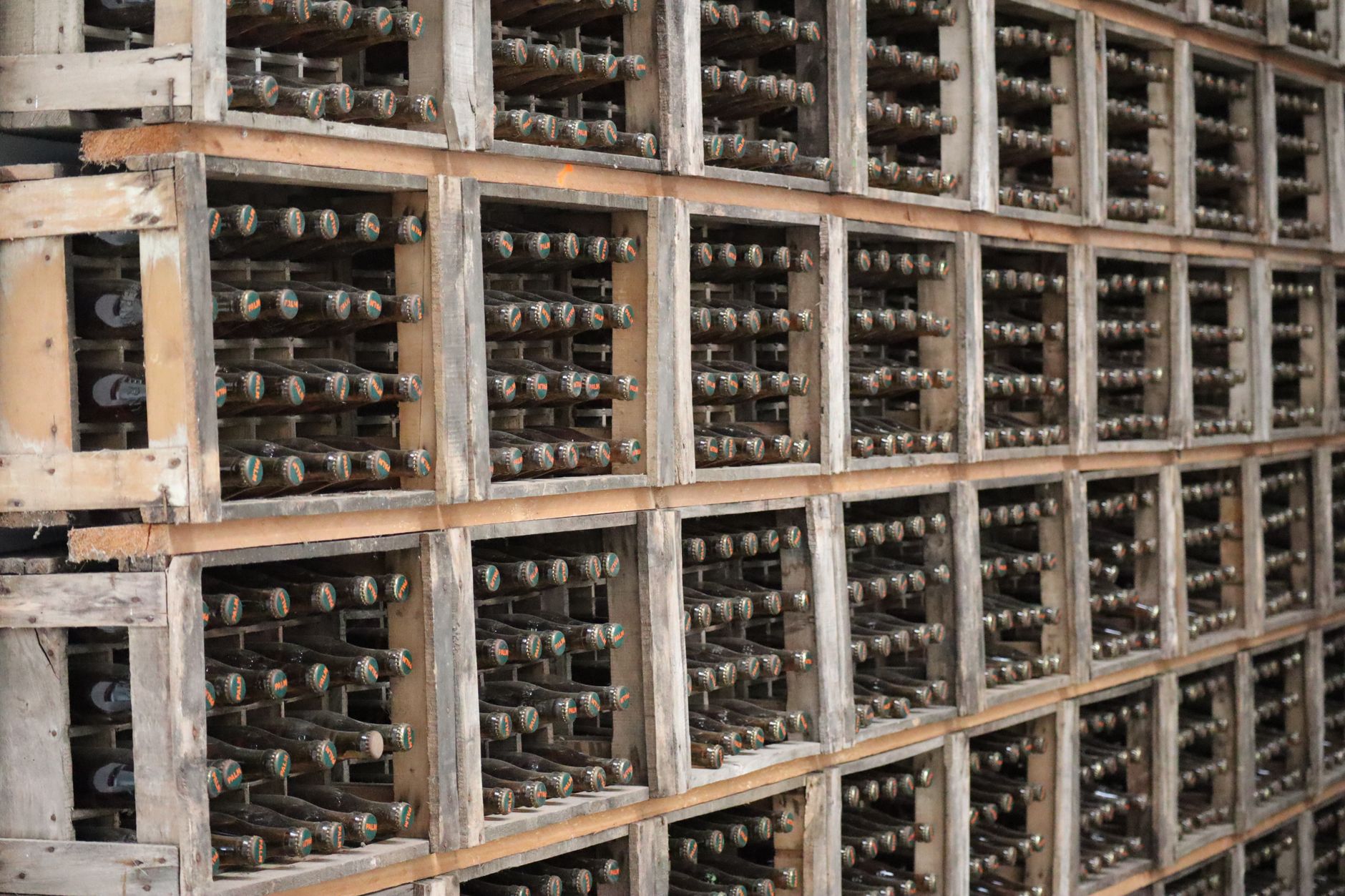
Old wine crates sit at the intersection of function and character in a way few repurposed materials can match. The timber is typically sturdy, the proportions are useful, and the worn stencilling and patina that come with a well-travelled crate add instant visual interest. Whether you've picked one up from a winery, a market stall, or an op shop in the Dandenong Ranges, a wine crate rewards creative thinking far more than the bin does.
Why wine crates work so well in repurposed design
Wine crates are built for load-bearing. That structural strength is the reason they translate naturally into home pieces that need to hold weight: shelves, side tables, storage ottomans. Most crates use hardwood pine or poplar, and the joinery is typically solid enough to last decades with minimal maintenance. Unlike flat-pack timber, they come pre-assembled, which means the hard work is largely done. EcoSoul Collective regularly receives wine crates from local wineries in the Yarra Valley and the Mornington Peninsula, and the variety in size and branding makes each one genuinely one-of-a-kind.
It's worth cleaning the crate before doing anything else. A stiff brush, warm soapy water, and a good rinse will remove grime without stripping the timber's character. Sand lightly with 120-grit paper if you want a smoother surface, but don't overwork it. The scuffs and stamp marks are the point.
Wall-mounted shelving
A single wine crate mounted horizontally to a wall becomes a deep shelf with real personality. Two timber screws through the back panel into wall studs are enough to hold books, plants, or a row of ceramic mugs. Mount three in a staggered arrangement and you have a display wall that would cost considerably more at a furniture retailer. For renters who can't drill into walls, a small easel bracket or a leaning ladder shelf (itself a satisfying repurposing project) can do the same job without the fixings.
Painting the interior of the crate in a contrasting colour before mounting it adds depth. A deep charcoal inside a natural timber crate, or a terracotta wash inside a pale painted one, creates a shadow box effect that lifts even basic objects displayed inside.
A stackable storage unit for any room
Four wine crates, arranged in a two-by-two grid and fixed together with timber screws or L-brackets, produce a bookcase or record storage unit that costs almost nothing. Sand the faces smooth, apply a beeswax finish or a coat of water-based matt varnish, and the result is a piece that holds its own in any room. In a child's bedroom, individual crates can be mounted at different heights to create low-level storage that kids can actually reach. In a kitchen, they stack neatly under a bench to hold cookbooks, produce, or cleaning supplies.
If you want to go a step further, attaching four furniture castors to the base of a stacked set turns the whole unit into a rolling storage trolley. That's especially useful in a home studio or workshop where tools and materials need to move around.
Coffee table and side table builds
Two large wine crates placed open-side-down and topped with a reclaimed timber plank or a piece of toughened glass become a coffee table with serious presence. The hollow base can hold extra storage: blankets, magazines, or a basket of logs near a fireplace. Fix the crates to the plank with construction adhesive and a couple of countersunk screws, and the join is invisible from above.
A single crate on its side, with a small round piece of timber or an offcut of slate placed on top, works equally well as a bedside table or a plant stand on a covered veranda. This kind of small-scale repurposing is where wine crates really shine, because the time investment is low and the result is immediate. If you're interested in seeing what other found materials can achieve at a similar scale, the ideas in how to repurpose old tin cans into charming home accents translate well as companion pieces alongside a wine crate side table.
Outdoor plant displays
Wine crates handle the outdoors better than most people expect, provided they're treated first. A thorough coat of tung oil or an exterior-grade timber oil applied to all surfaces, including the base, will protect the wood through a Victorian winter without sealing out air entirely. Once treated, a wine crate becomes a raised planter tray, a seedling nursery box, or a layered herb garden when three or four crates are stacked at descending heights.
Line the interior with a coconut coir liner or a folded piece of hessian before filling with potting mix. This prevents soil from pushing out through the gaps while still allowing drainage. Native groundcovers, succulents, and herbs all do well in a crate garden, and the timber backdrop suits the natural aesthetic that works so well in gardens around the Dandenong Ranges.
Kid's toy storage and book displays
A wine crate turned on its side and mounted at skirting-board height makes an excellent low book display for a child's room. Books face out rather than spine-in, which makes choosing a bedtime story far easier for small hands. Stack two crates and the display becomes a proper bookcase that grows with the child. Paint the crates in a solid colour first if the winery branding doesn't suit, or lean into it if the label is interesting enough to keep.
For toy storage, a single large crate with a rope handle threaded through drilled holes at each end slides under a bed during the day and pulls out easily at clean-up time. It's a far more satisfying solution than a plastic tub, and it'll last considerably longer.
A few things to check before you start
Not every wine crate is food-safe or free of chemical treatment, particularly older commercial ones. If you're planning to use a crate to store food, produce, or children's items, check the interior for any residue or strong chemical smell before proceeding. Crates from boutique wineries are usually safer than industrial ones, and local winemakers in Victoria are generally happy to confirm what, if anything, was used in the crate's treatment. The same principle applies to repurposed pallets, where heat treatment markings matter before you bring the material indoors.
EcoSoul Collective stocks a selection of pre-sourced wine crates alongside handmade and repurposed homewares in the Belgrave store, so you don't have to track down a winery before you can start. The pieces that come through reflect genuine material diversity: French oak crates, Australian pine, stencil-labelled bottles crates, and sliding-lid museum-style boxes. Each one suggests a slightly different project.
Wine crates are one of those materials that reward a slower approach. Start with one idea, see where it goes, and resist the urge to paint everything immediately. The aged timber and imperfect markings are what make the finished piece worth keeping.