
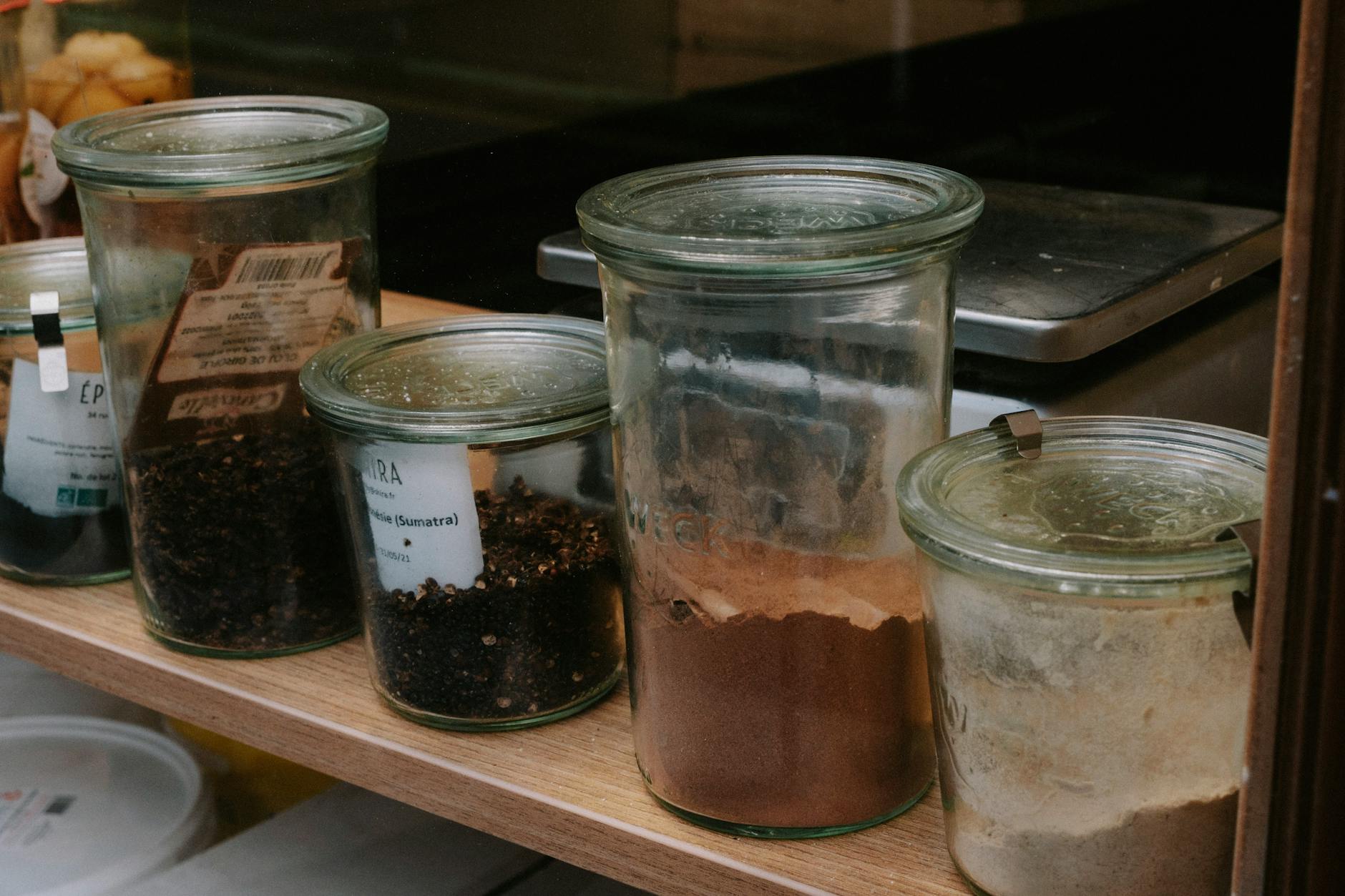
The kitchen generates more household waste than almost anywhere else in the home: food scraps, single-use packaging, plastic wrap, disposable bags, and paper towels all pile up with alarming speed. Starting a low-waste kitchen doesn't mean stripping everything back or spending a fortune on matching glass jars. It means making small, deliberate changes that stick, one habit at a time.
Start with what you already throw away most
Before buying anything new, spend a week paying attention to what actually ends up in your bin. For most Australian households, the biggest contributors are food packaging, soft plastics, cling wrap, and single-use bags. Identifying your personal culprits is far more useful than following a generic checklist, because it tells you exactly where a small swap will make the biggest difference.
Once you know your patterns, you can start replacing things as they run out rather than throwing away still-usable items in a burst of eco-enthusiasm. A half-used roll of plastic wrap doesn't need to go in the bin today. Finish it, then switch to beeswax wraps or silicone lids when it's gone. This approach also keeps costs manageable, since you're replacing items on a natural cycle rather than all at once.
Swaps that make an immediate difference
Some kitchen swaps are genuinely easy wins. Reusable produce bags replace the thin plastic ones at the supermarket. A set of glass or stainless steel containers replaces zip-lock bags. A compost bin (even a small countertop caddy) diverts food scraps from landfill. Cloth dish towels replace paper towels for everyday spills and drying. None of these changes require a major lifestyle shift, but together they cut a significant amount of waste from the weekly routine.
For those looking to go further, learning how to compost at home without the mess or smell is one of the most effective things you can do in the kitchen. Composting diverts organic matter from landfill, where it would otherwise produce methane, and turns it into something genuinely useful for the garden. Even renters with small outdoor spaces or balconies can manage a worm farm or bokashi system.
Buy less packaging by changing where you shop
Supermarket packaging is one of the harder problems to solve when reducing kitchen waste, because so much of it is unavoidable in a conventional shop. Changing some of where you buy makes a real difference. Local farmers markets, bulk food stores, and independent grocers often sell produce loose or allow you to bring your own containers. Buying staples like grains, legumes, nuts, and spices from bulk bins cuts packaging significantly and often works out cheaper per kilogram than pre-packaged equivalents.
It's also worth getting into the habit of shopping with a list and a realistic sense of what your household will actually eat before the next shop. Food waste is one of the biggest contributors to kitchen emissions, and it's largely a planning problem rather than a values problem. Meal planning, even loosely, reduces the amount of produce that quietly wilts in the crisper drawer.
Rethink what belongs in the kitchen in the first place
A low-waste kitchen isn't about filling every drawer with specialised sustainable products. It's often about having fewer things that each do more. A good cast iron pan lasts decades. A sharp knife and a decent cutting board replace a shelf of single-use gadgets. Mason jars function as storage, drinking glasses, and leftover containers. Buying less and buying better is both an environmental and a financial win.
This mindset connects naturally to the broader principles of the circular economy: keeping materials in use for as long as possible and choosing items that can be repaired, repurposed, or composted at end of life. If you're curious about how this thinking plays out across the whole home, the guide to reducing plastic use at home, one room at a time offers a practical room-by-room approach that pairs well with kitchen-specific changes.
Low-waste kitchen cleaning
Cleaning products are a surprisingly large source of plastic waste in the kitchen. Most households get through multiple bottles of spray cleaner, dish soap, and surface wipes each year. Switching to concentrated refills, solid dish soap bars, or home-made cleaners (white vinegar and bicarb cover a remarkable amount of kitchen cleaning) can remove several plastic bottles from the waste stream annually.
Compostable sponges and natural scrubbing brushes with replaceable heads are also worth the switch. Conventional synthetic sponges shed microplastics into the water supply every time they're used, and they end up in landfill within weeks. A wooden brush with plant-fibre bristles lasts longer, cleans just as well, and composts at the end of its life.
Progress over perfection
The most common mistake when starting a low-waste kitchen is trying to change everything at once, then burning out when it feels too hard or too expensive. A better approach is to pick one or two swaps this week, get comfortable with them, and add the next thing when you're ready. Over a few months, the cumulative effect is significant without the overwhelm.
It also helps to remember that low-waste living is not about being perfect. Buying something in plastic packaging occasionally, or forgetting your bags at the shops, doesn't undo the progress you've made. What matters is the direction of travel, not a flawless record. The kitchen is a great place to start because small changes there ripple outward: better shopping habits, less food waste, fewer disposable products, and a home that reflects the values you actually hold.