
Reducing plastic use at home is one of the most impactful things a household can do for the environment, but the sheer scale of the problem can make it hard to know where to start. The answer isn't to overhaul everything at once. It's to work through your home one space at a time, replacing the worst offenders as they run out and building better habits gradually. Here's how to do it without the guilt and without the drama.
Start in the kitchen
The kitchen is where most plastic enters the home, through packaging, storage containers, wraps, and single-use utensils. Begin by auditing what you already have. Chances are your cupboards hold a mix of plastic containers that can serve you for years yet, so don't throw them out prematurely. The goal is to stop bringing in more, not to create waste by discarding what still works.
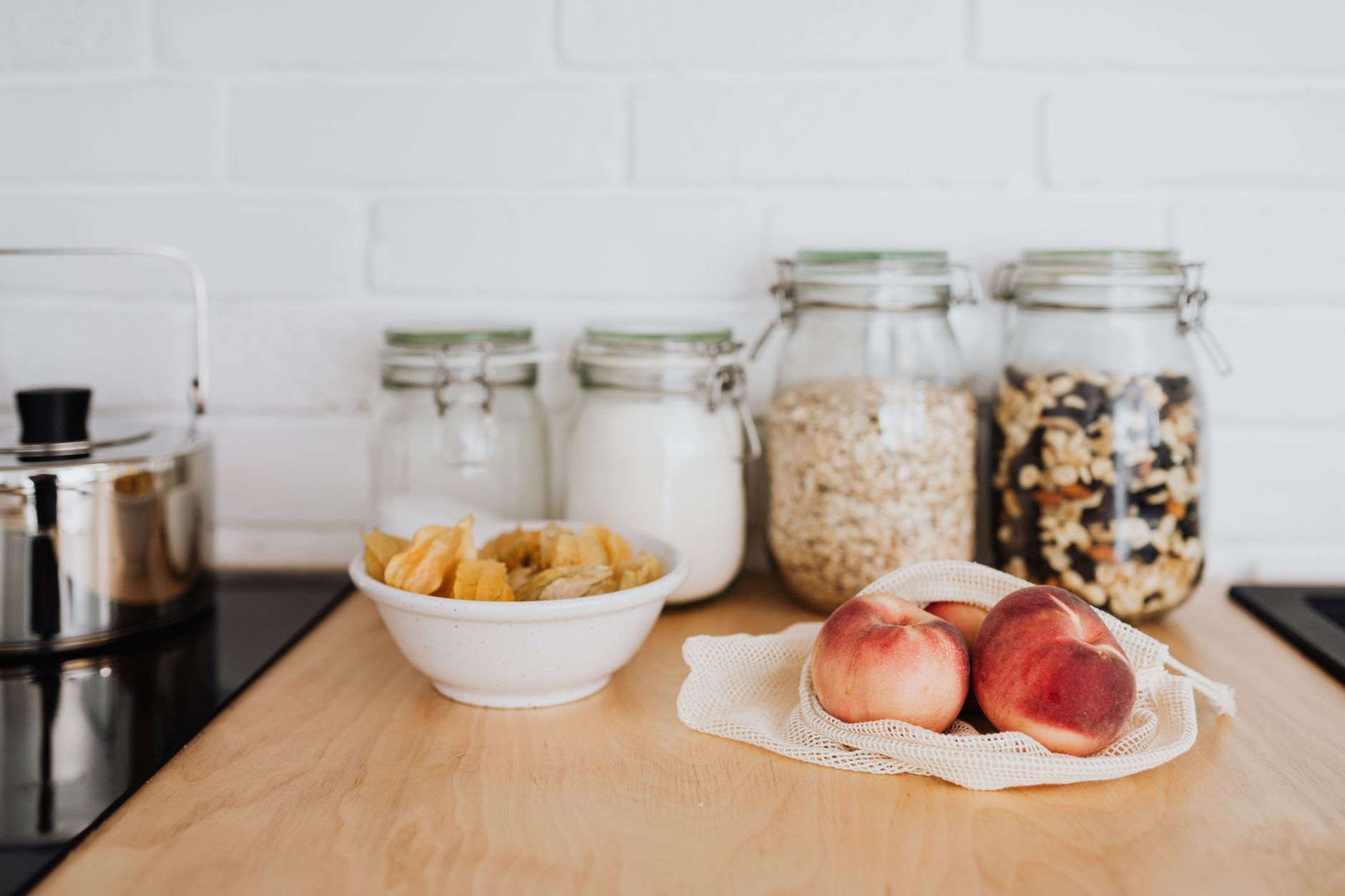
When items do need replacing, reach for glass jars, stainless steel containers, or ceramic canisters. Beeswax wraps are a genuinely useful alternative to cling film for covering bowls and wrapping cheese. A silicone reusable bag or two handles the jobs that once required a box of zip-lock bags. At the shops, buying loose produce where you can and choosing products in glass or cardboard over plastic cuts the inflow significantly. If you've already started building a low-waste kitchen, many of these habits will already feel natural.
Tackle the bathroom next
The bathroom is often the most overlooked room when people think about plastic, yet it holds an enormous number of single-use bottles: shampoo, conditioner, body wash, moisturiser, cleaning spray. Most of these have solid or concentrated alternatives that work just as well and last considerably longer.
Shampoo and conditioner bars have improved enormously over the past few years and now suit most hair types. A single bar can replace two or three standard bottles. Soap bars in paper wrapping replace liquid hand wash. For cleaning, a reusable spray bottle filled with a concentrate tablet or a homemade solution cuts through the plastic bottle cycle entirely. A bamboo or compostable toothbrush is one of the simplest swaps you can make and adds up to four fewer plastic handles per person each year.
The laundry and cleaning cupboard
Laundry detergent is one of the heaviest plastic offenders in many homes. Concentrated powder in a cardboard box, or laundry sheets in a compostable packet, are now easy to find in Australian health food shops and online. Fabric softener can usually be replaced with a splash of white vinegar in the rinse cycle, which also leaves no residue on clothes.
General-purpose cleaning products are another area where a single refillable spray bottle goes a long way. Many zero-waste shops sell cleaning concentrate in small glass bottles, or you can make a basic all-purpose cleaner from water, white vinegar, and a few drops of essential oil. It handles most everyday surfaces without a row of plastic bottles under the sink. These kinds of habits pair naturally with a broader commitment to building a zero waste home, where the philosophy extends room by room rather than all at once.
The living room and bedroom
Plastic in the living areas tends to be more invisible: furniture packaged in bubble wrap, storage bins, decorative items in synthetic materials. When buying new pieces for the home, choosing vintage, repurposed, or locally made alternatives keeps plastic packaging and synthetic materials out of the equation. Fabric storage baskets, timber trays, and ceramic or glass containers do the jobs that plastic bins often fill, and they tend to look better doing it.
In the bedroom, the biggest wins come from swapping synthetic bedding for natural fibres such as cotton, linen, or wool, and choosing clothing made from natural materials wherever possible. Fast fashion is one of the largest sources of microplastic pollution in Australia, as synthetic fibres shed particles with every wash. Building a wardrobe with more natural materials and fewer throwaway pieces addresses both problems at once. If you're also thinking about your clothing choices more broadly, there's a lot of useful ground covered in how to build a sustainable wardrobe on any budget.
Rethinking how you shop
A reusable shopping bag is the most well-known plastic swap, but the logic extends further. Bringing your own produce bags to the greengrocer, carrying a reusable cup and cutlery when you're out, and choosing refill stations where they're available all reduce the number of single-use items that enter your home in the first place. Markets, bulk food stores, and local shops are often better for packaging than supermarkets, and they support the kind of businesses that genuinely care about reducing waste.
The room-by-room approach works because it breaks an overwhelming problem into manageable steps. Each small swap builds momentum without requiring you to change everything overnight. Swap what runs out, choose better when you buy, and let the habit settle before moving on. Done consistently, it adds up to a home that uses a fraction of the plastic it once did.