
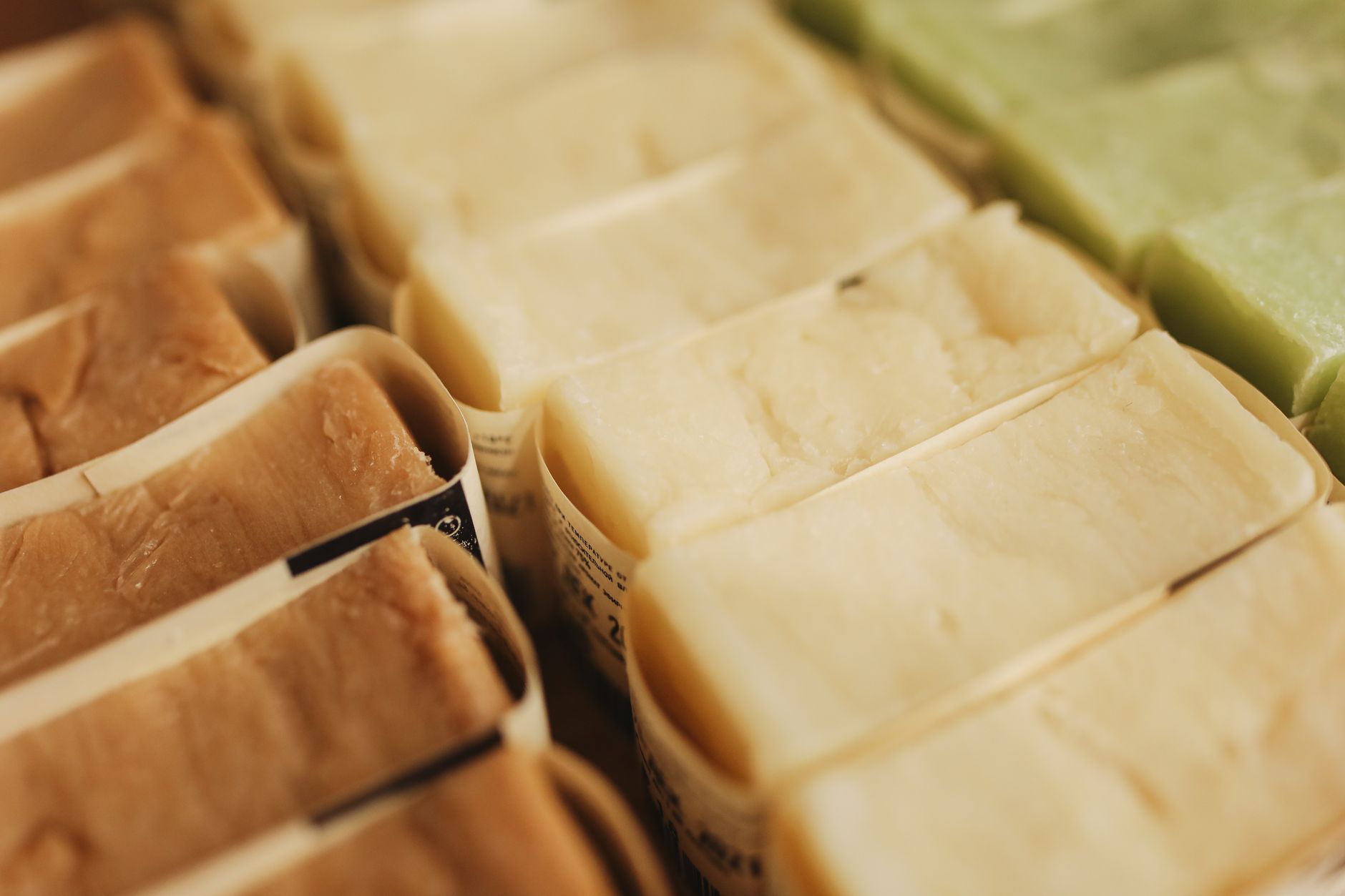
The bathroom generates more single-use plastic waste than almost any other room in the house. Shampoo bottles, disposable razors, cotton rounds, plastic-wrapped soap bars, pump bottles for conditioner and body wash. Most of it gets used once and thrown away. The good news is that the bathroom is also one of the easiest rooms to clean up, because the swaps are small, the products are freely available, and the savings add up fast.
A low-waste bathroom isn't about perfection. It's about making better choices as each item runs out, rather than replacing your entire cabinet at once. Start where the waste is greatest and work from there.
Start with your hair and body routine
Shampoo and conditioner bottles are among the most discarded plastic items in the average Australian bathroom. The simplest swap is a shampoo bar. Good ones last roughly 80 washes, compared to a 300ml bottle that might last 20. Ethique, the New Zealand brand, sells a full range of shampoo and conditioner bars that are compostable, palm-oil-free, and widely available in Australia. One bar replaces three plastic bottles by volume.
Body wash bottles follow the same logic. A soap bar wrapped in paper does the same job for less money and zero plastic. If you like liquid soap at the basin, buy one large refill container rather than three small pump bottles. The per-wash cost drops and the plastic volume drops with it.
Disposable razors deserve a separate mention. A single-blade safety razor costs between $30 and $60 up front and takes replacement blades that cost roughly $0.20 each. Over two years, the saving over disposable cartridge razors is real. The blades are steel and fully recyclable.
Rethink your skincare and dental routine
Toothpaste tubes are one of the most difficult items to recycle because they're a composite of plastic and aluminium. Toothpaste tablets solve that entirely. They come in glass jars or compostable sachets, work the same way as paste, and don't compromise on fluoride. Australian brands like Bite ship them in returnable or recyclable packaging.
Bamboo toothbrushes have become easy to find and cost about the same as a conventional brush. The bristles on most are nylon (not yet compostable at scale), but the handle goes in the compost or the general waste rather than adding plastic to landfill. That's a meaningful reduction.
Cotton rounds for skincare removal are another item that adds up quickly. Reusable cotton rounds made from organic cotton or bamboo terry are washable and last for years. A set of 16 will replace hundreds of disposable pads. Pair them with micellar water decanted into a glass bottle and the packaging waste from your evening routine drops to almost nothing.
Clean up your cleaning products
Bathroom cleaners are typically sold in single-use spray bottles filled mostly with water. Concentrated cleaning tablets that dissolve in a reusable bottle cut that plastic use by around 90 percent. They're also lighter to ship, which reduces their transport footprint.
Baking soda and white vinegar cover most bathroom cleaning tasks: grout, basins, taps, and general surface grime. They cost very little, store well in glass jars, and contain no synthetic fragrances or harsh chemicals. This approach fits naturally alongside the broader habit of greening your cleaning routine without harsh chemicals, where simple ingredients replace entire rows of specialist products.
Microfibre cloths replace paper towel for most wiping tasks. Buy four or five, wash them with your regular laundry, and they'll last several years.
Storage and organisation
Once the products change, the storage usually needs a rethink too. Glass jars work well for cotton rounds, hair clips, safety razor blades, and bar soap. Op shops and markets consistently stock glass containers in useful sizes for next to nothing. Bamboo trays and timber organisers replace the plastic drawers and stackable acrylic units that are almost impossible to recycle.
If you're looking for something with more character, it's worth considering what you might already have at home before buying anything new. Old ceramic dishes work beautifully as soap holders. A timber off-cut becomes a bath shelf. A repurposed tin can holds cotton buds. The bathroom is a small space, which means even one or two considered swaps make a visible difference.
A few things worth knowing before you start
Don't throw away products you already own just to replace them with eco-friendly versions. That's waste in the other direction. Use what you have, then swap as each item runs out. This approach costs nothing extra and avoids the guilt of discarding usable goods.
Not every "natural" or "eco" label means much. Look for products with minimal ingredients, compostable or returnable packaging, and no greenwashing claims that can't be verified. A plain soap bar in paper packaging from a market stall often beats a premium "natural" product in a plastic bottle with a leaf on the label.
The bathroom isn't the only room worth auditing. The habits that reduce waste in here, choosing concentrated products, buying once and buying well, defaulting to reusables, carry into every other part of the house too.