
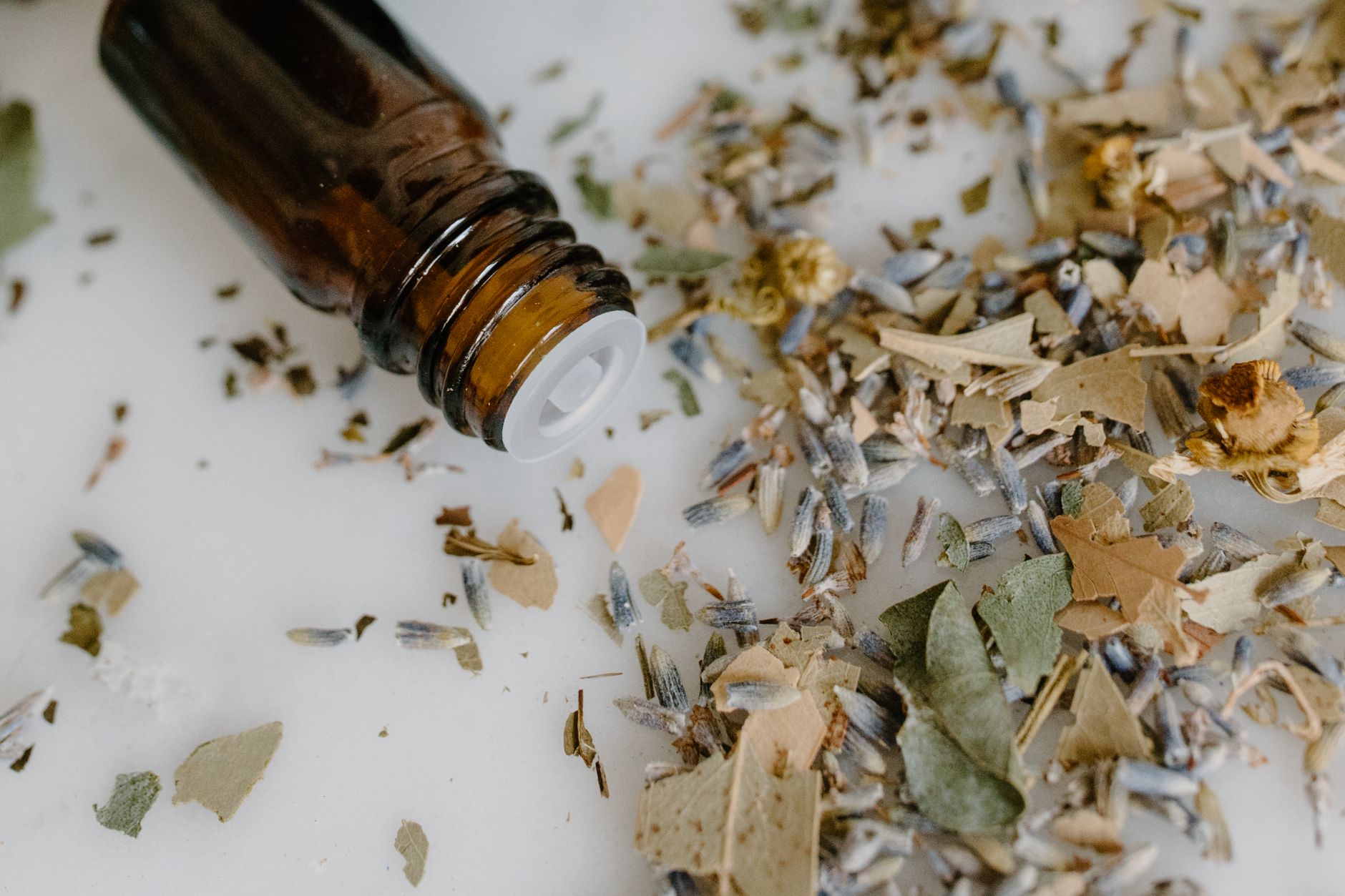
Walk into almost any home and you'll detect it: that faint, artificial sweetness from a plug-in diffuser or aerosol spray. Most commercial home fragrances rely on synthetic fragrance compounds that aren't listed on the label, and they come packaged in plastic that gets tossed after a fortnight. Natural home fragrance is a genuine alternative. It smells better, costs less over time, and keeps synthetic chemicals out of the air your family breathes every day.
Why synthetic fragrances are worth avoiding
The word "fragrance" on an ingredient label can legally cover hundreds of undisclosed chemicals. In Australia, manufacturers aren't required to list every component of a fragrance blend, which means you often don't know what you're spraying into a closed room. Some synthetic fragrance compounds are known allergens; others are linked to hormone disruption at high exposure levels. This doesn't mean every candle is dangerous. It does mean there's real value in switching to scent sources you can actually name.
Natural fragrances also behave differently in a room. They're softer, more complex, and they shift as they dissipate. A fresh orange peel simmering on the stove smells nothing like an aerosol that claims to smell like citrus. The real thing has depth. The synthetic version has volume.
Simmer pots: the simplest place to start
A simmer pot costs nothing if you already have a small saucepan and access to kitchen scraps. Fill the pan three-quarters with water, add your chosen ingredients, bring it to a low simmer, and let the steam carry the scent through the house. Check the water level every 30 minutes or so and top it up as needed.
Good combinations include:
- Orange peel, whole cloves, and a cinnamon stick (warm and grounding, especially in winter)
- Fresh rosemary, sliced lemon, and a few drops of vanilla extract (clean and bright)
- Apple peel, star anise, and ginger root (earthy and sweet)
You can reuse the same simmer pot contents for 2 to 3 days if you refrigerate them overnight. It's one of the most satisfying ways to use up citrus peel and herb offcuts rather than sending them to landfill, which fits neatly into a broader effort to reduce your household food waste for good.
Beeswax and soy candles you actually know what's in
Commercial paraffin candles are a petroleum by-product. When they burn, they can release trace amounts of toluene and benzene into a poorly ventilated room. Beeswax and soy alternatives burn cleaner and hold natural scent better.
Making your own is straightforward. You need wax, a wick, a container, and a double boiler. Melt the wax, remove it from heat, let it cool slightly (to around 60°C for soy), then add 6 to 10 per cent fragrance by weight using pure essential oils. Pour into your container and let it set for 24 hours before burning. Lavender, eucalyptus, and cedarwood are reliable starting oils for an Australian home: each one is genuinely calming and locally relevant.
Reuse glass jars as candle containers. A 400-gram jam jar makes a solid vessel, and it can be cleaned and reused once the candle is spent. If you're already exploring creative ways to upcycle glass jars at home, candle-making is a natural extension of that habit.
Reed diffusers with a simple DIY base
Shop-bought reed diffusers often use dipropylene glycol or synthetic carrier oils that aren't disclosed. The DIY version uses fractionated coconut oil or sweet almond oil mixed with essential oils at a ratio of roughly 30 per cent oil to 70 per cent carrier. Pour it into a narrow-necked glass bottle, insert 6 to 8 rattan reeds, and flip them every few days to refresh the scent throw.
This approach gives you full control over what goes into the blend. It also lasts longer than most store-bought versions because you can top up the oil as it depletes rather than throwing out the whole unit.
Dried botanical sachets and potpourri that aren't kitsch
Sachets get a bad reputation because most commercial versions smell overwhelmingly of synthetic lavender and come in synthetic fabric bags. Done well, they're genuinely useful. Fill a small linen or muslin pouch with dried lavender flowers, cedar chips, dried citrus peel, and a few drops of essential oil on a cotton ball. Tuck them into linen cupboards, wardrobes, and drawers.
Cedar chips are particularly practical: they repel moths without the toxic punch of mothballs, which contain naphthalene or paradichlorobenzene. A small bag of untreated cedar chips from a hardware or pet store lasts months, and you can refresh the scent with a light sanding.
Potpourri works on the same principle at a larger scale. A bowl of dried rose petals, cinnamon sticks, star anise, dried lemon slices, and cloves on a coffee table or sideboard delivers a subtle ambient scent without any electricity or ongoing cost.
Essential oils: worth choosing carefully
Not all essential oils are the same quality, and the market has plenty of synthetic "fragrance oils" sold alongside genuine plant extracts. Look for oils labelled as 100 per cent pure essential oil with a botanical name on the label (e.g., Lavandula angustifolia rather than just "lavender"). Tisserand Aromatherapy publishes detailed safety data for its oils, which is a useful reference point when you're working out safe concentrations for home use.
For a balanced home fragrance, think in three layers: a top note that you smell first (citrus, eucalyptus, peppermint), a middle note that forms the body of the scent (lavender, geranium, rosemary), and a base note that lingers (cedarwood, sandalwood, vetiver). You don't need all three in every application, but blending across layers gives a scent more staying power and complexity.
Low-waste habits that tie it all together
Natural home fragrance pairs well with a broader move away from single-use household products. The same mindset that drives you toward a simmer pot instead of an aerosol can extend into your cleaning products, bathroom, and laundry. If you're working through your home room by room, the piece on how to detox your bathroom the low-waste way covers similar ground in a space where synthetic chemicals are equally common.
The practical reality is that natural fragrance options are cheaper per use than most commercial alternatives once you've bought the base ingredients. A bottle of eucalyptus essential oil, a bag of beeswax pellets, and a handful of rattan reeds will outlast two months of plug-in refills. The upfront cost is real but the ongoing cost drops sharply, which makes this one of those rare sustainable swaps that actually saves money.
Start with one method. A simmer pot on a Sunday afternoon costs nothing and takes five minutes. That's enough to know whether it works for your household before you invest in anything else.