
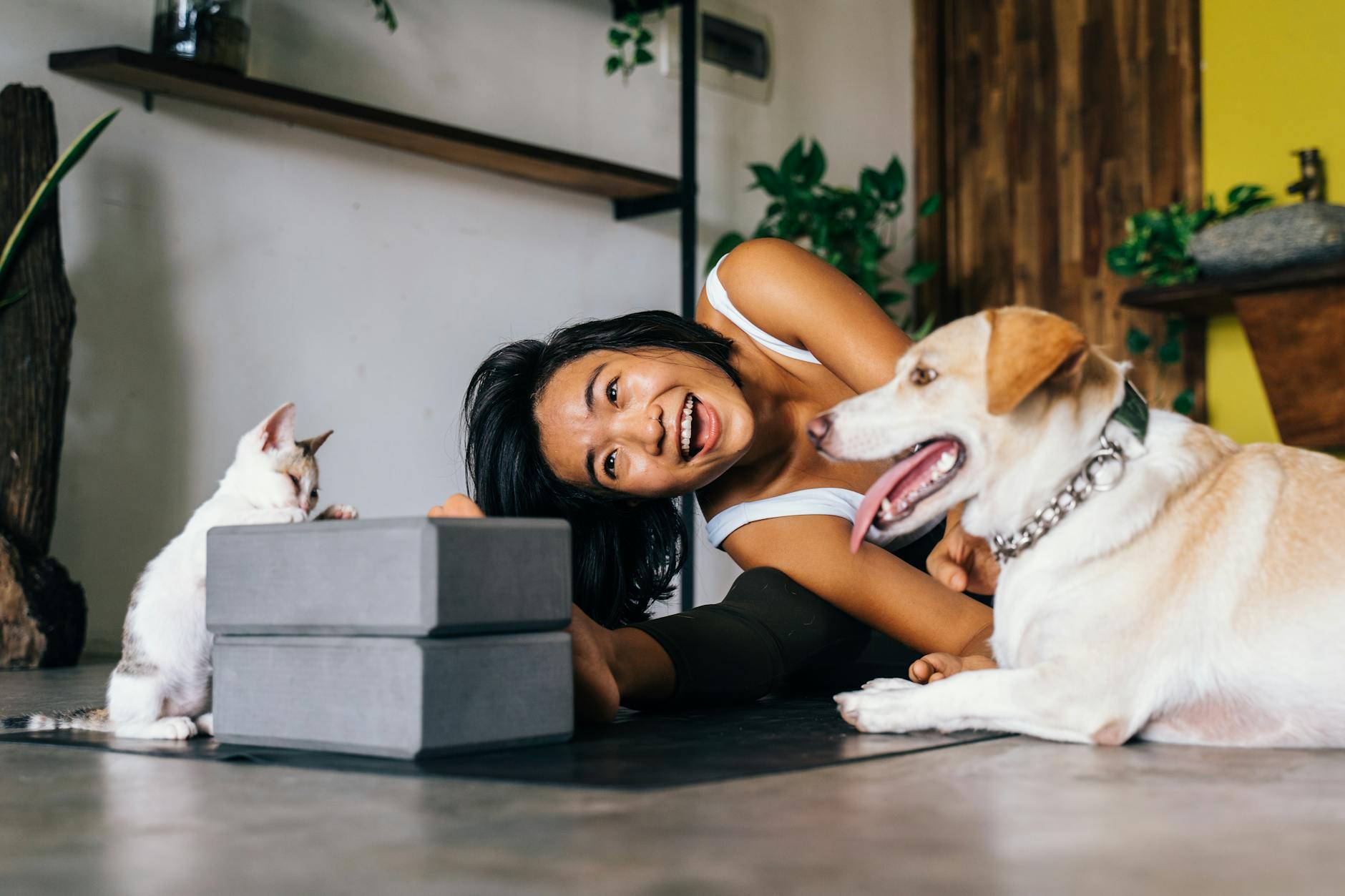
Sustainable pet care doesn't get much attention in conversations about low-waste living, yet the average Australian dog or cat generates a significant volume of plastic packaging, processed food waste, and single-use accessories each year. It's not a reason to feel guilty. It is a reason to look more carefully at the habits and products that make up your pet's daily routine, because most of them can be improved with modest effort.
Start with what your pet eats
Food is the biggest environmental lever in any pet care routine. Most commercial dry and wet pet food arrives in plastic pouches, multi-layer sachets, or cans with plastic lids. Few of these are curbside recyclable in Australia. The first step is to look for brands that use genuinely recyclable or compostable packaging, or that operate a take-back scheme for their packaging.
Beyond packaging, consider the protein source. Beef and lamb are the most carbon-intensive ingredients in pet food. Insect-based and kangaroo-based pet foods have a fraction of that footprint, and both are increasingly available through independent pet stores and online. RSPCA Australia notes that nutritionally complete alternatives to conventional pet food are worth discussing with your vet before switching, particularly for dogs with existing health conditions.
Buying in bulk cuts packaging significantly. A 15 kg bag of dry food uses far less plastic per serving than twelve 1.2 kg bags. Store it in a sealed second-hand tin or an upcycled glass jar rather than the original bag, and you've extended the life of a container that would otherwise have gone to landfill. That kind of habit connects directly to the broader logic behind Australian household items you should stop throwing away, where reuse beats recycling almost every time.
Rethink toys, beds, and accessories
The pet accessories market runs on the same fast-consumption model as fast fashion. Cheap toys made from virgin plastics break within weeks. Beds stuffed with synthetic fibres shed microplastics into the wash. The better approach is to buy less and buy better, or to skip buying new entirely.
Old jumpers and blankets make excellent pet bedding. A worn-out woollen cardigan folded into a basket costs nothing and keeps a dog warmer than a thin polyester pet mat. Rope toys can be knotted from offcut cotton cord or repurposed from old T-shirts. Cardboard boxes, paper bags, and cork stoppers keep cats entertained without a trip to the pet shop.
When you do need to buy something new, look for accessories made from natural rubber, organic cotton, hemp, or recycled materials. A handful of Australian makers produce durable, eco-conscious pet gear. Secondhand pet accessories are also worth seeking out at op shops and sustainable swap parties, where pet owners often bring items their animals have outgrown or lost interest in.
Grooming with less waste
Standard pet grooming products follow the same packaging problem as human personal care: plastic bottles, synthetic formulas, and single-use wipes. Switching to a shampoo bar formulated for pets eliminates the bottle entirely. Most pet shampoo bars contain 60 to 80 washes, equivalent to three or four plastic bottles.
Grooming tools matter too. A quality stainless steel slicker brush or comb lasts years, whereas cheap plastic-handled versions crack and end up in landfill within months. Bamboo-handled grooming tools are widely available and compostable at the end of their life.
For cats and dogs that need regular ear cleaning, reusable cotton pads replace single-use cotton balls. Wash them with your regular laundry and they'll last for years. Speaking of laundry: pet bedding washed in cold water with a natural detergent uses less energy and releases fewer chemicals than a hot wash with a conventional product. That sits neatly alongside a sustainable laundry routine that already reduces plastic and energy use across the household.
Waste management for pet owners
Dog waste is the issue most people put off thinking about, but it's worth addressing directly. Standard plastic dog waste bags are not biodegradable in any meaningful timeframe, despite what some labels imply. Certified compostable bags (look for the AS 4736 or AS 5810 certification on Australian packaging) break down properly in industrial composting conditions. Home-compostable options exist but require a dedicated pet waste composter, kept separate from your food compost.
Cat litter is a significant source of waste. Clay-based litters are mined from strip-mined land, are heavy to transport, and go straight to landfill. Alternatives made from recycled paper, wood pellets, walnut shells, or corn break down more easily and perform just as well for most cats. Paper pellet litters in particular can be composted in a dedicated bin, though not in a food compost system.
Vet care and preventive health
Preventive health is the most sustainable approach to veterinary care. A dog or cat that is well-nourished, regularly exercised, and parasite-free visits the vet less often and requires fewer interventions. That's good for your pet and good for your budget.
For flea and tick prevention, speak to your vet about options beyond the individually-wrapped monthly spot-on treatments. Some products come in multi-month formats with less packaging per dose. Natural repellents work for some animals in low-risk environments, though they shouldn't replace veterinary advice in tick-heavy areas like the Dandenong Ranges.
Keep a small first-aid kit at home with reusable components: gauze pads, a stainless steel bowl, and a digital thermometer. Avoiding a vet visit for a minor graze or a small cut saves packaging, transport emissions, and money. When vet visits are necessary, combining them with other errands cuts the trip's carbon cost.
The mindset shift that makes it stick
Sustainable pet care works best as a gradual shift rather than an overnight overhaul. Replace items at end-of-life with better alternatives. Buy secondhand before buying new. Choose products with less packaging and longer lifespans. These aren't extraordinary commitments. They're the same logic that applies to every other corner of a low-waste home, applied to the companion animal who shares it.
Your pet doesn't need a wardrobe of novelty outfits or a cupboard of half-chewed toys. What they need costs less, lasts longer, and leaves less behind.