
A sustainable laundry routine is one of the easiest wins in a low-waste home, yet it's rarely the first room people tackle. Most of the impact comes from just three sources: the detergent you use, the temperature you wash at, and how often you reach for the dryer. Fixing all three doesn't require expensive appliances or a total overhaul. It needs a handful of deliberate swaps.
Why laundry is worth fixing first
Conventional laundry detergent arrives in single-use plastic bottles, often contains synthetic surfactants that don't break down cleanly in waterways, and gets used in far greater quantities than the load actually needs. Add a heated wash cycle and a full tumble dryer run to that picture, and the laundry becomes one of the most resource-heavy routines in the house.
Cold water washing handles the vast majority of modern loads just as effectively as a hot cycle. Most laundry soil is protein or oil based. Modern detergent formulas dissolve and lift both at 20–30°C. The exceptions are nappies, heavily soiled workwear, and bedding during illness. Everything else? Cold wash it.
Switching your detergent without guessing
The detergent swap is the single highest-impact change in a sustainable laundry routine. You've got three practical options, each worth understanding before you commit.
Concentrated powder in cardboard. Powder detergents in cardboard boxes are widely available in Australian supermarkets and skip plastic entirely. Concentrated formulas mean you're using less per wash. The downside is that powder can clump in hard water areas. A short pre-dissolve in a cup of warm water before adding it to the drum solves that.
Laundry sheets. Pre-measured, plastic-free, and lightweight enough to post. Ecostore, which is an Australian-distributed brand with transparent ingredient disclosure, makes a solid one. Sheets also remove the temptation to pour too much.
Soap nuts. Dried shells of the Sapindus mukorossi fruit that release natural saponins in the wash. They last 4–6 washes per shell cluster and compost afterward. They don't whiten whites as effectively as a powder, but for everyday loads they're genuinely effective and generate zero packaging waste.
Whichever you choose, check the ingredient list. Look for plant-derived surfactants, no optical brighteners, and no synthetic fragrance. Fragrance is the most common hidden offender in otherwise "eco" products, and it's among the hardest to filter out of waterways.
The dryer problem
Tumble dryers are the most energy-hungry appliance in most households. A standard electric dryer uses roughly 4–5 kWh per cycle. If your home isn't running on renewable energy, each dryer run adds a meaningful chunk of emissions.
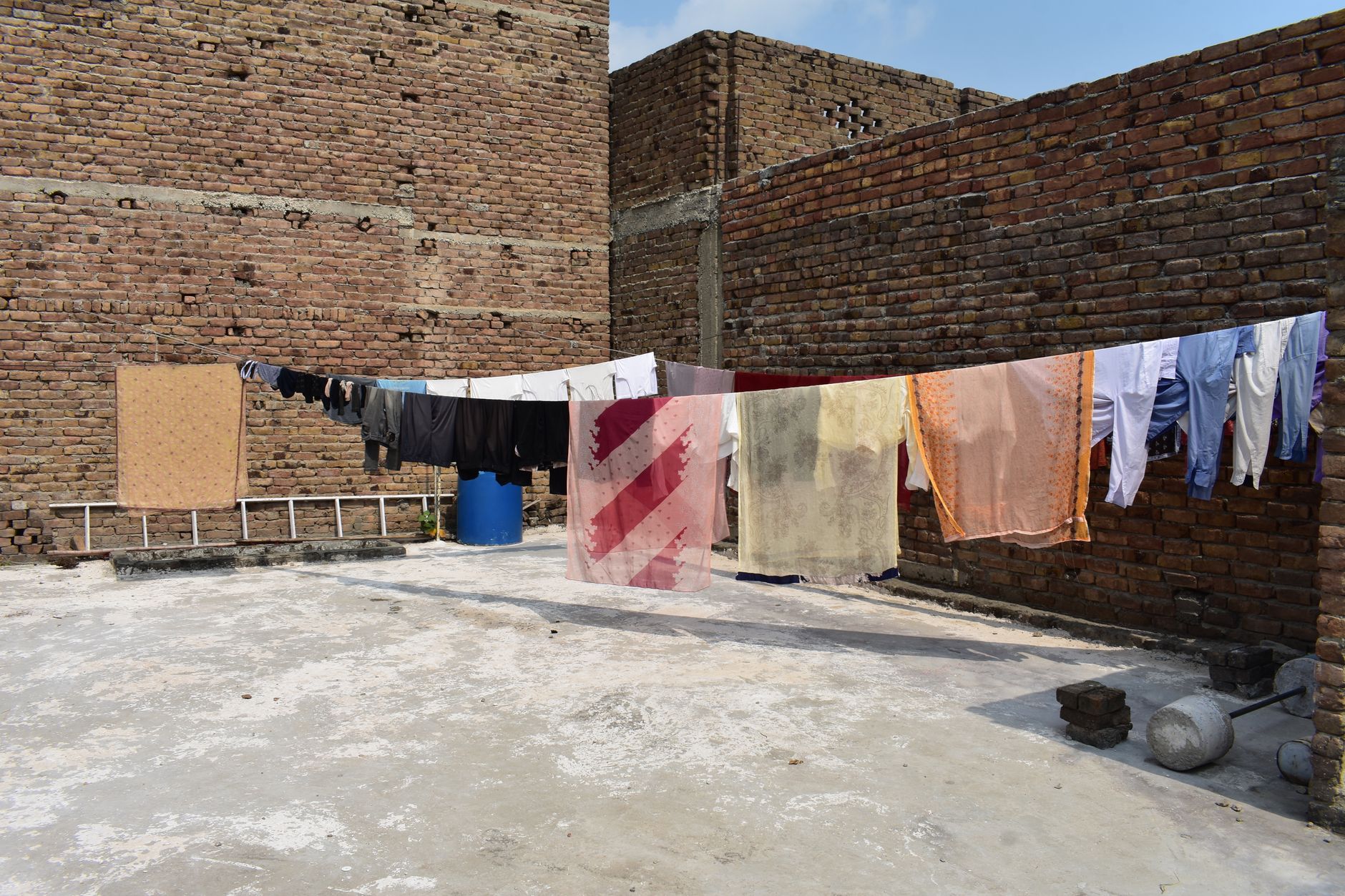
Line drying is the obvious fix. In most parts of Australia, sun and airflow handle drying reliably for 9–10 months of the year. A retractable Hills Hoist, a drying rack, or a wall-mounted airer in a ventilated space covers the rainy stretches.
Wool dryer balls are worth using on the occasions you do use the dryer. Three to six balls tumbling with the load cut drying time by 20–25% by separating fabric and improving airflow. They replace single-use dryer sheets entirely and last for years. Add a drop of eucalyptus oil to each ball for a light natural fragrance.
Washing less often (and getting it right)
Most clothes don't need washing after a single wear. Jeans, knitwear, jackets, and structured pieces worn over a base layer can go multiple wears before they genuinely need a wash. Over-washing is hard on fabric fibres, which accelerates wear, fading, and the release of synthetic microfibres into waterways.
A PlanetCare microfibre filter fitted to your washing machine outlet captures synthetic fibres that shed from polyester and nylon clothing during washing. These fibres are too small for standard wastewater treatment to catch, and they accumulate in aquatic ecosystems. The filter is one of the more underrated additions to an eco laundry setup.
For garment care, check the label before washing and follow it. Washing at the wrong temperature or spin speed shortens garment life faster than anything else. A sustainable wardrobe and a sustainable laundry routine work together. If you're building the former, the approach in how to build a sustainable wardrobe on any budget covers how to choose pieces worth caring for properly.
Stain removal without harsh chemistry
Commercial stain removers typically arrive in plastic spray bottles packed with enzymes, synthetic solvents, and bleaching agents. Most stains don't need any of that. A few alternatives handle the common ones reliably.
- Bicarbonate of soda on fresh organic stains (food, sweat). Dampen, sprinkle, let it sit for 20 minutes, then rinse before washing.
- White vinegar on deodorant marks and mineral build-up. Apply undiluted, wait 10 minutes, then wash as normal.
- Cold water immediately on blood. Hot water sets protein stains permanently. Cold water first, always.
- Dish soap (a plant-based one) on oil or grease. Work it into the fabric before washing. One small dab does it.
These methods use ingredients already in most kitchens and generate no additional packaging. If you're building out a low-waste home room by room, the same logic applies in other spaces too. The practical swaps in how to green your cleaning routine without harsh chemicals translate directly from laundry to the rest of the house.
A few habits that compound over time
Full loads only. A half-empty machine uses nearly the same water and energy as a full one. Wait until you have a complete load unless the item genuinely can't wait.
Skip the fabric softener. It coats fibres with a thin layer of chemicals that reduces absorbency in towels, attracts lint, and builds up in your machine's drum over time. A quarter-cup of white vinegar in the rinse cycle softens fabric naturally and descales the machine as a bonus.
Clean your washing machine drum every 2–3 months. A hot cycle with bicarbonate of soda and white vinegar clears mould, removes detergent residue, and keeps the machine running efficiently. A dirty drum undoes the benefit of everything else.
Sustainable laundry isn't complicated. It's a series of small decisions, most of which cost less than the conventional option and ask nothing of your time once they're in place.