
Travel is one of the fastest ways to undo months of low-waste progress at home. The airport toiletry bag alone, stuffed with plastic minis, disposable razors, and sachets of shampoo, generates a surprising amount of landfill for a single trip. A sustainable bathroom kit for travel fixes that without making your morning routine harder. It just takes a few deliberate swaps and a little upfront thinking.
Start with what you actually use
The biggest mistake in building any travel kit is packing what you think you should bring rather than what you genuinely reach for each morning. Spend one week before you travel making a note of everything you use in your bathroom. Most people use fewer than 8 products consistently. That list becomes your kit. Everything else is dead weight, usually plastic dead weight.
Once you have your real list, you can make smarter swaps. The goal isn't to find a sustainable version of every single product you own. It's to cover your actual needs with fewer, better things. That compression is where the environmental (and logistical) gains really come from.
The swaps worth making
Solid bars are the single biggest upgrade you can make to a travel bathroom kit. A shampoo bar from an Australian maker like Ethique replaces a 250ml plastic bottle and lasts through multiple trips. The same principle applies to conditioner bars, solid body wash, and even solid sunscreen. These products are compact, TSA-compliant without the plastic bag drama, and produce zero bottle waste.
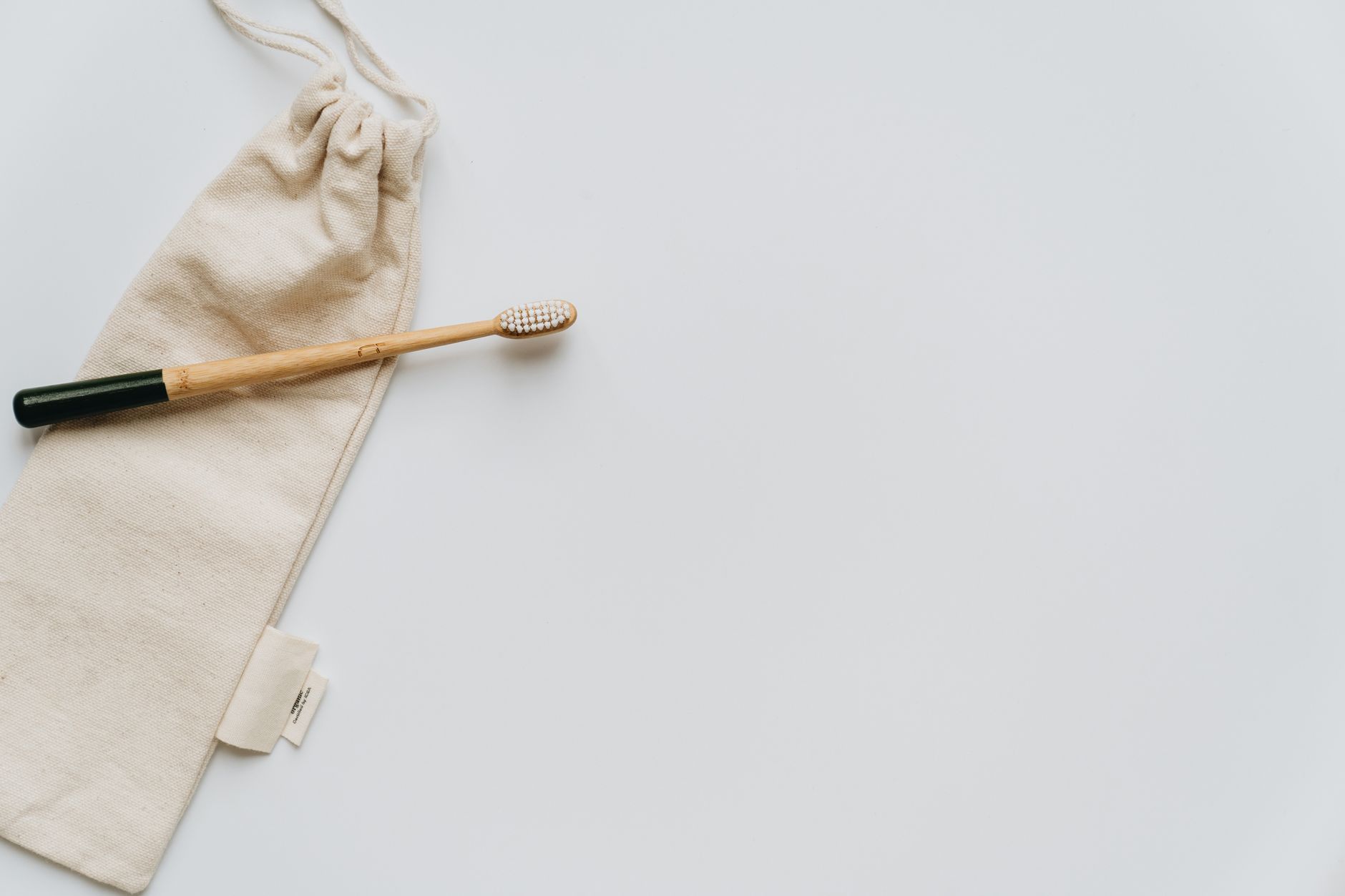
A bamboo toothbrush takes up the same space as a plastic one and doesn't sit in a landfill for 400 years afterward. Toothpaste tabs, which come in small tins or compostable pouches, replace the tube entirely. Dental floss in a refillable glass or metal dispenser is widely available online and in eco stores. These three items alone clear a lot of guilt from your toiletry bag.
For shaving, a double-edge safety razor is the clearest win. The handle is stainless steel and lasts indefinitely. Replacement blades cost almost nothing and are fully recyclable. A single safety razor replaces dozens of disposable cartridges over a year of travel. It's also a noticeably better shave.
Containers: the detail most people skip
If you have a product you can't find in a solid or low-waste format, decant it. Small aluminium or glass containers with secure lids work far better than the plastic squeeze bottles sold in travel aisles. They're durable, don't crack under pressure changes, and don't leach anything into your face products. A set of 3 or 4 containers covers most liquid needs: sunscreen, moisturiser, face oil, and a leave-in conditioner if you need one.
Label each container with a strip of masking tape and a marker. It takes 30 seconds and saves you sniffing each one at 6am. Silicone bags replace zip-lock bags for grouping items, and they last for years rather than single trips. A compact cotton or linen pouch replaces the disposable plastic bag many hotels leave in the bathroom.
What to leave at home
Cotton rounds are worth cutting entirely. Reusable cotton pads, made from organic cotton or bamboo, do the same job and wash easily. Face wipes, the single-use kind, are one of the worst travel bathroom offenders: they're usually plastic-based, not biodegradable despite the label, and the packaging is rarely recyclable. A small microfibre or muslin cloth does the same job with no waste at all.
Mini bottles of hotel shampoo and conditioner are worth refusing. Most hotels will provide them whether you use them or not, but actively declining signals preference. Some newer hotels, particularly in the eco-accommodation space, have already moved to wall-mounted dispensers or solid bars. If you're travelling through the Dandenong Ranges or staying locally, the eco-friendly accommodation near Belgrave tends to lead on this already.
Keeping it genuinely low waste on the road
Packing well is one thing. Maintaining the habit while travelling takes a bit more intention. Rinse your solid bars and let them dry between uses, ideally on a small bamboo or stainless soap dish rather than sitting in a wet bag. This prevents waste from bars dissolving prematurely, a common frustration that puts people off them.
Replenishing mid-trip is easier than it used to be. Health food stores, independent pharmacies, and eco stores in most Australian cities and many international destinations stock solid bars and refill options. If you're uncertain, bringing slightly more than you need on shorter trips and refilling on longer ones is a sensible middle ground.
For packaging you can't avoid, collect it in one spot in your bag and dispose of it properly when you have access to the right bins. Some items, like razor blades, need safe disposal in a sharps container or a puncture-proof tin before they go to recycling. It's a small extra step and genuinely matters.
Building the kit as a habit, not a project
The most sustainable travel bathroom kit is the one that's already assembled when you need to leave. Keep a dedicated travel pouch stocked and ready rather than rebuilding from scratch before each trip. This prevents the last-minute panic that sends people to the airport pharmacy for a bag of plastic minis.
Treat the kit as an ongoing edit rather than a one-time purchase. If something isn't working, swap it out after the trip. If you found a better solid moisturiser on the road, add it. Over time, the kit becomes genuinely yours: lighter, lower waste, and far less stressful than the alternative. The same thinking applies to your bathroom at home, and if you haven't already thought through that space, the guide on detoxing your bathroom the low-waste way is a useful companion to this one.
A sustainable travel kit won't fix everything about how we move through the world. But it's a concrete, repeatable habit that removes a category of waste entirely. That's worth something every single trip.