
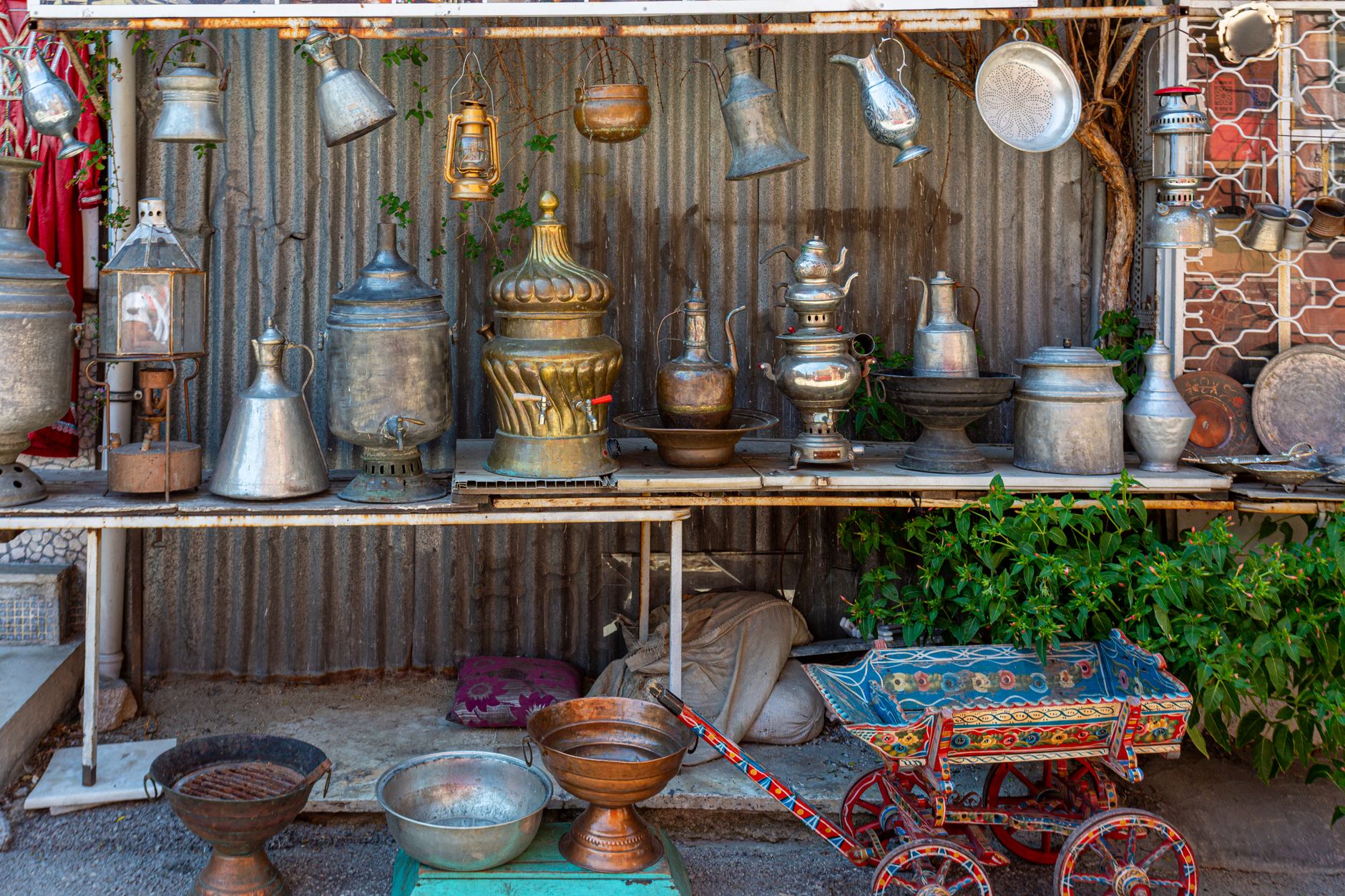
Old hardware is one of the most underestimated materials in repurposed design. Brass drawer pulls, cast-iron hinges, skeleton keys, copper pipe fittings, and worn bolt collections carry a weight and patina that simply can't be faked. Yet most of it ends up in a jar at the back of a shed, stripped out during a renovation and never thought about again. That's a genuine waste, because with a little cleaning and some basic framing techniques, vintage hardware transforms into wall art, jewellery display, lighting, and furniture details that give a room real character.
Where to find hardware worth using
Demolition yards are the richest source. Sites like Salvo Australia list architectural salvage dealers around the country, and most carry bins of sorted hardware sold by the kilogram. Op shops frequently overlook hardware value entirely, so old tins of mixed fittings often sit on the shelves for weeks. Estate sales are another reliable stream, particularly when the property includes an older workshop or shed.
Flea markets in the Dandenong Ranges are worth visiting regularly if you're building a collection. The artisan shopping scene in the Dandenong Ranges includes stalls that deal specifically in architectural salvage, vintage tools, and decorative ironmongery. You rarely need to look very hard. Three visits to a well-stocked flea market will typically yield enough material for a full wall display.
At home, check the following before you renovate or clear out: old door hinges, cabinet pulls and knobs, tap handles, padlocks and skeleton keys, electrical switch plates from the 1930s to 1970s, and any pipe fittings left over from plumbing work. Even gate latches and shepherd's hook hooks have decorative potential when grouped together.
Cleaning and preparing metal hardware
The finish you aim for depends entirely on the piece. Some hardware looks best left as-is, with its original patina intact. Stripping a piece of aged brass back to raw metal can actually reduce its appeal. For pieces you do want to clean, start with the gentlest method first.
For brass and copper, a paste of plain flour, salt, and white vinegar (roughly equal parts) applied with an old toothbrush removes tarnish without damaging the surface. Leave it for 10 minutes, then rinse thoroughly and dry immediately. For cast iron, use fine steel wool and a light coat of linseed oil rubbed in while the metal is slightly warm. This removes surface rust and leaves a protected, darkened finish. For chrome and nickel hardware from the mid-20th century, a damp cloth and baking soda paste usually does the job without scratching.
Don't oil everything. Dry patina on old iron is often more attractive than a freshly oiled surface, and a sealed piece will stop developing character over time. Decide before you start whether you want a stable finish or a living one.
Four things you can make from old hardware
The most visually arresting approach is a shadow box display. Take a deep picture frame (or build one from offcuts), line the back with linen or aged timber, and mount sorted hardware in groups: keys in one section, hinges in another, small brass fittings arranged in a grid. This works particularly well in hallways, where the collection reads as a genuine curiosity rather than clutter. If you're already comfortable repurposing frames, the principles in our guide to repurposing old picture frames into practical home pieces apply directly here.
The second option is hardware jewellery display. Skeleton keys and small ornate fittings look stunning mounted on painted timber planks with small cup hooks for hanging necklaces and earrings. The hardware itself becomes part of the display, mixing function with decoration in a way that flat pegboards can't match.
Third: industrial-style wall hooks. Pipe flanges and short lengths of copper or black iron pipe make some of the most durable and characterful coat hooks available. A flange screwed into a stud, with a short nipple and end cap, costs almost nothing from a salvage yard and looks better than anything sold commercially. Mount three to five in a row along an entry hall for a result that's genuinely individual.
Fourth: furniture hardware upgrades. Replacing flat, mass-produced handles on a chest of drawers with a mixed collection of vintage brass pulls is one of the fastest ways to transform a piece. The pulls don't need to match exactly. A consistent metal tone (all brass, all iron) lets you mix styles across a single piece without it looking accidental. This approach is especially effective on painted timber furniture, where the contrast between matte paint and aged metal reads as deliberate rather than eclectic.
Mounting and displaying hardware safely
Weight matters more than most people expect. Cast-iron hinges are genuinely heavy, and a shadow box containing 20 of them can weigh 4 to 6 kilograms. Use wall anchors rated for at least twice the estimated weight. For larger displays, mount into a stud wherever possible.
When grouping hardware on a backing board, experiment with the arrangement on a table before you commit to any holes. Photograph the layout from above, then use that image as your guide when transferring to the mounting surface. This avoids the frustrating process of filling unnecessary holes in timber or linen backings.
Clear acrylic spacers or small timber offcuts between the hardware piece and the backing board add dimension to a flat display. Even a 10mm standoff on a large hinge changes how it reads under light, creating shadow lines that make the piece feel sculptural rather than flat.
Combining hardware with other repurposed materials
Hardware rarely needs to stand alone. Pipe fittings combine naturally with reclaimed timber, brass hinges work well against linen or worn leather, and copper details pair with raw concrete or lime-washed walls. The strongest pieces in repurposed design are usually combinations of at least two salvaged materials, each one making the other look more considered.
If you're working with timber offcuts alongside your hardware collection, the broader principles behind reusing timber from demolition projects offer a solid foundation for combining materials sustainably. The grain and history of salvaged timber gives hardware something to contrast against, and the result feels grounded in a way that painted MDF backings don't.
Hardware repurposing rewards patience more than skill. The collecting phase takes longer than the making phase, and the best displays are usually built over months rather than assembled in a single afternoon. Start with what you have, add to it slowly, and let the pieces tell you what they want to become.