
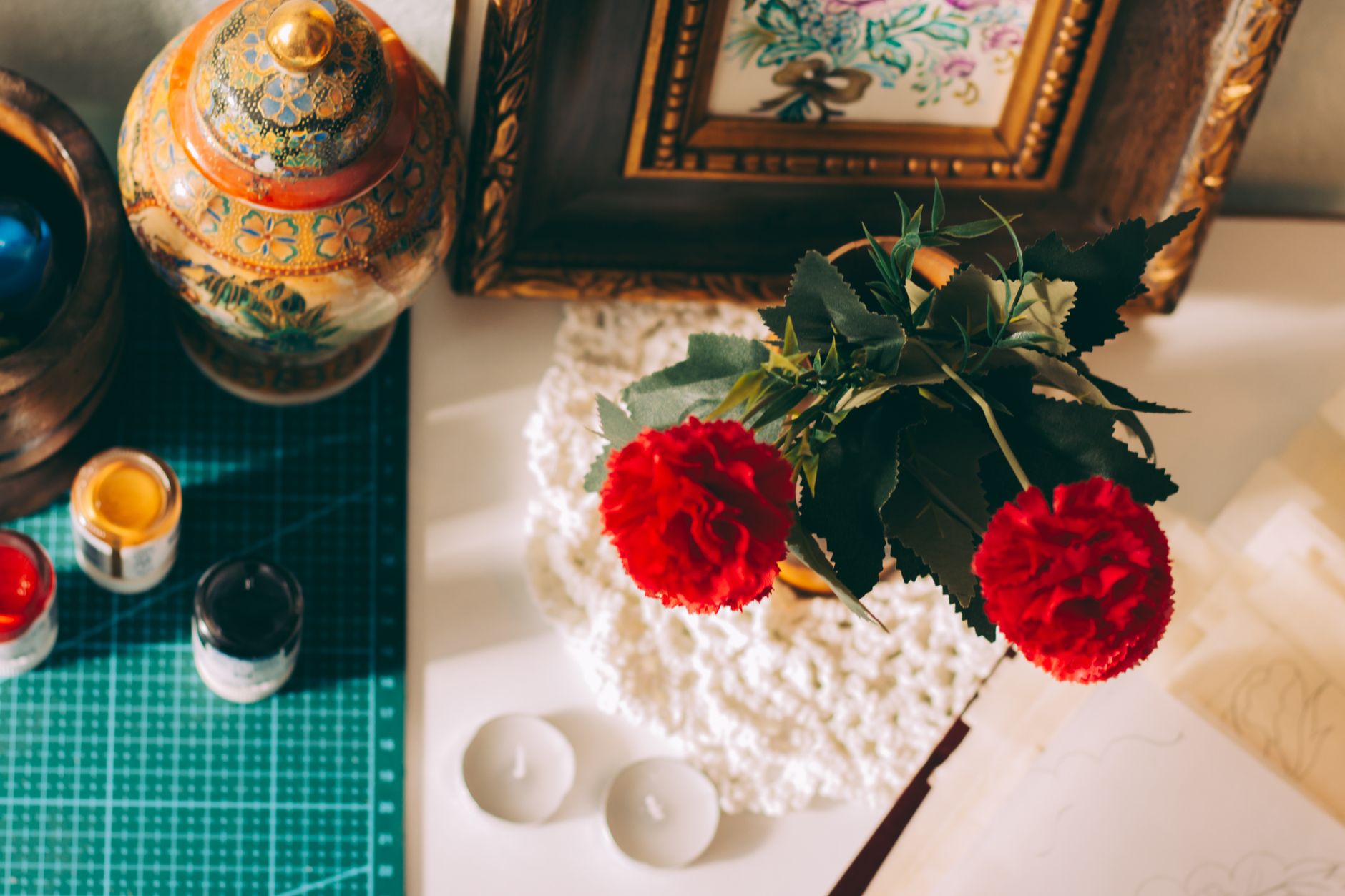
Old picture frames are hiding in op shops, garage sales, and dusty cupboards across Australia, and most of them still have plenty of life left. The glass might be cracked. The print inside might be long gone. But the frame itself, whether carved timber, ornate plaster, or simple pine, is one of the easiest and most satisfying raw materials in repurposed design. You don't need a workshop, expensive tools, or a lot of time. You need a frame, a clear idea of what it could become, and a willingness to experiment.
What kinds of frames work best
The short answer: almost all of them. Timber frames are the most versatile because they're easy to sand, paint, stain, and drill. Ornate gilt frames look striking when turned into mirrors or wall art with minimal intervention. Flat, wide-profile frames work especially well as serving trays. Narrow clip frames are better suited to memo boards or photo displays.
Op shops are the best source. Vinnies, Salvos, and local opportunity shops in Victoria regularly stock frames for under five dollars, often in bulk. Markets are another good hunting ground, particularly those in the Dandenong Ranges, where local markets near Belgrave frequently turn up timber frames in interesting shapes and sizes. If you're buying a frame to repurpose, prioritise structural integrity over appearance. A chipped finish is easy to fix. A broken joint is harder.
Turning a frame into a serving tray
This is probably the most popular frame repurpose, and it's earned its place. A wide-profile frame, a piece of hardboard or plywood cut to fit the backing slot, two drawer handles, and some paint is all it takes.
Start by removing the glass and any existing backing. Cut a fresh piece of hardboard to fit snugly inside the frame's rebate (the channel that holds the glass). Sand the frame and hardboard, then paint both in the same colour for a seamless finish. Chalk paint in a matte white or sage green works especially well on timber frames and requires no primer. Attach the hardboard to the frame with small finishing nails or strong craft adhesive. Then attach two drawer handles to the long sides of the frame using a drill and small bolts. A coat of clear sealant over the base makes the tray food-safe and waterproof enough for daily use.
The result is a tray that looks considered and handmade, not assembled. The key choice is the handle style: brass knuckle handles read as vintage, matte black reads as contemporary, and simple timber dowels keep things natural.
Framed memo and pinboard
A deep-profile frame, a piece of cork sheet, and some fabric is all you need for a wall memo board that actually looks good. Cut the cork to fit the frame's backing slot, then wrap it in a fabric of your choosing. Linen, a remnant of vintage ticking stripe, or even denim cut from old jeans all work well here. Stretch the fabric taut over the cork, fold the edges around the back, and secure with a staple gun. Drop it into the frame and fix from the back.
The framed memo board sits flat on the wall and holds notes, receipts, cards, and photos without the institutional feel of a bare cork tile. Chunky gilt frames give it a tongue-in-cheek grandeur. Painted timber frames keep it relaxed. It's worth thinking about the frame style relative to the room. A memo board in a home office calls for something different to one in a kitchen or hallway.
For a broader look at using reclaimed and repurposed materials in the home, the repurposed materials turning up in modern Australian homes is worth browsing for inspiration.
Mirror conversions
Replacing picture glass with a cut mirror is one of the simplest and highest-impact repurposes available. Most glaziers and hardware stores cut mirror glass to size for a modest fee, typically $20 to $40 for a standard frame size. Give the glazier the internal rebate dimensions, not the outer frame dimensions.
Before inserting the mirror, repaint or restore the frame if needed. Ornate plaster frames respond well to a single coat of gold or bronze spray paint. Timber frames look excellent with a dark stain or flat black paint. Secure the mirror with glazier's points (small metal clips pressed into the rebate with a flat-bladed screwdriver) and add a mirror plate or sawtooth hanger to the back for wall mounting.
A repurposed frame mirror costs a fraction of a new one and looks more interesting. The frame profile and finish tells a story that a flat mass-produced mirror can't replicate. Keep proportions in mind: a very deep frame suits a smaller mirror insert, while a flat frame works well at larger sizes.
Layered wall gallery arrangements
A collection of mismatched frames, unified by a single paint colour, makes a striking gallery wall without spending money on new art. The trick is the unifying coat. Paint 6 to 10 frames in the same shade, regardless of their original finish, profile, or size. Hang them in a loose cluster, mixing portrait and landscape orientations. Leave some empty (just the painted frame, no insert). Fill others with pressed botanicals, fabric swatches, pages from old atlases, or simple abstract brushstrokes on card.
The empty frames are the unexpected element. They read as intentional rather than unfinished, and they give the arrangement a rhythm that all-filled walls tend to lack. Hang at a consistent eye-level centre point (about 145 cm from the floor) and work outward from the largest frame.
Before you start: a few practical notes
Old frames sometimes carry lead-based paint, particularly if they're pre-1970s Australian pieces. If you're sanding, wear a dust mask rated P2 or higher and work outdoors. A damp cloth wipe-down before sanding reduces airborne dust significantly. If the frame is structurally sound and you're only painting over the existing surface, the risk is much lower, though the same mask precaution applies.
Chalk paint is the best all-round choice for frame projects. Annie Sloan Chalk Paint is widely available in Australia and adheres to most surfaces without sanding or priming. Water-based craft paints from Bunnings also work well for smaller frames. Always finish with a clear wax or matte varnish to protect the painted surface.
For more ideas on finding raw materials and giving discarded objects new purpose, before and after repurposing projects shows how much value is genuinely hiding inside overlooked pieces. Picture frames aren't dramatic raw material. That's partly what makes them so rewarding to work with. A $3 op shop frame, a coat of paint, and an afternoon is a reasonable investment for a piece you'll use every day.