
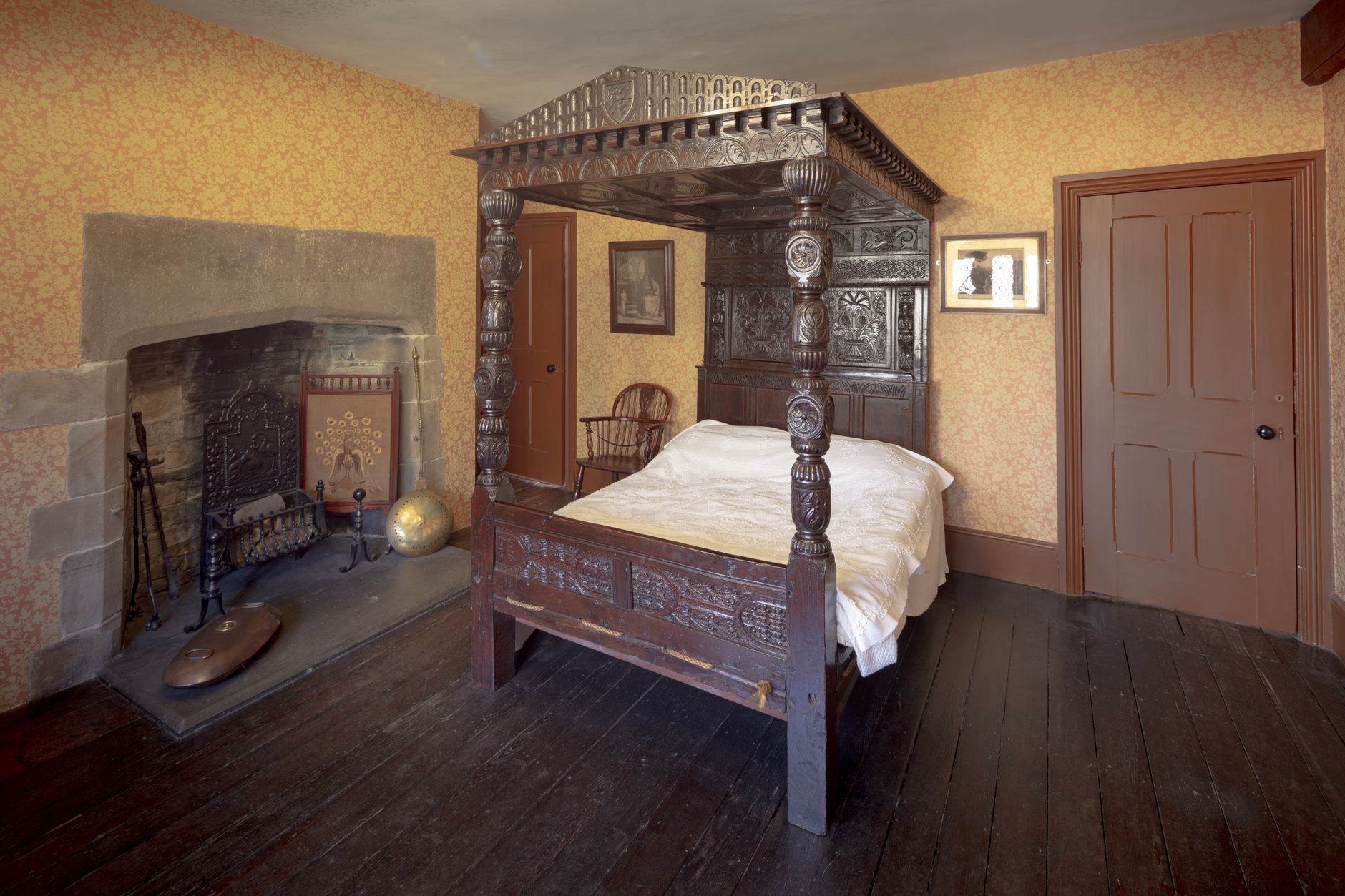
The vintage bedroom is one of the most satisfying interiors to pull off, but it's also one of the easiest to get wrong. Layer on too many period pieces and the room starts to feel like a prop cupboard from a period drama. Get the balance right, though, and you have something far more interesting than anything a chain furniture store could sell you: a space that feels personal, characterful, and quietly sustainable. The good news is that styling a vintage bedroom well comes down to a handful of consistent principles, not a large budget.
Start with a clear anchor piece
Every strong vintage bedroom begins with a single statement item that sets the tone. This might be a timber bed frame with beautiful turned posts, a mid-century dresser with original brass handles, or an ornate carved wardrobe rescued from an estate sale. The anchor piece tells you what era or aesthetic you're working within, which makes every subsequent decision easier. It also gives the room a sense of intentionality. Visitors understand that the room has a point of view rather than being an accident of accumulated furniture.
If you're still hunting for that anchor piece, estate sales and dedicated vintage markets are your best starting points. For a deeper look at navigating those spaces, the guide on hunting for vintage furniture at estate sales and auctions covers how to assess quality and avoid paying over the odds.
Mix eras deliberately, not randomly
One of the most common mistakes in vintage styling is treating all old things as interchangeable. A heavily carved Victorian bedhead does not naturally share space with a Scandinavian teak sideboard from the 1960s. That doesn't mean they can't coexist, but it does mean you need something to tie them together. That connective tissue usually comes in the form of a shared material, a consistent colour palette, or a common finish. Warm timbers link different eras effectively. A muted, earthy palette works across almost any period. Brass hardware reads as a through-line from Art Deco to mid-century without feeling forced.
The key is to choose your mixing deliberately rather than defaulting to whatever you find first. Two or three complementary eras in one room creates depth. Four or five usually creates confusion.
Use textiles to soften and modernise
Textiles are the fastest and most affordable way to prevent a vintage bedroom from feeling stiff or dusty. Linen bedding in natural tones brings the room into the present without competing with older furniture. A vintage-style quilt or a hand-stitched cotton throw adds texture without pulling the room into any specific decade. Curtains in a simple, unstructured fabric let the furniture do the talking rather than adding another layer of period detail.
Avoid synthetic fabrics in strong patterns if you want the room to feel contemporary rather than nostalgic. Natural fibres in quieter prints tend to age far better with the pieces around them, and they're the more sustainable choice too.
Edit ruthlessly to avoid clutter
Vintage styling can quickly tip into hoarding if you don't keep a firm hand on what stays and what goes. Every piece in the room should earn its place, either as something useful or something genuinely beautiful. A pair of vintage ceramic bedside lamps, yes. Seven mismatched candlesticks on the dresser, probably not. Negative space is not wasted space. It gives the eye somewhere to rest and allows the best pieces to stand out rather than compete.
This principle applies to the walls as well. A single large vintage mirror or a small grouping of framed botanical prints tends to read as considered. A wall covered edge to edge with collected objects tends to read as overwhelming, no matter how individually interesting those objects might be.
Bring in one or two contemporary elements
The single most effective way to stop a vintage bedroom from feeling like a time capsule is to include one or two clearly modern pieces. A simple white ceramic lamp, a pared-back bedside table in raw timber, a contemporary pendant light: any of these can act as an anchor to the present and signal that the vintage elements are a deliberate choice rather than an inherited default. This contrast also flatters the older pieces. A beautifully patinated timber dresser looks even better when placed next to something clean and unfussy.
If you're working across a whole room rather than just a bedroom, the broader guide on styling vintage pieces in a modern home goes into more detail on how to manage that balance room by room.
Think about scent, light, and atmosphere
A vintage bedroom isn't just a visual exercise. The atmosphere of the space matters as much as what you can see. Warm-toned globe bulbs make older timber and fabric look genuinely inviting rather than yellowed. A beeswax candle or a small dried botanical arrangement adds a sensory layer that suits the aesthetic without being overpowering. Heavy window treatments that block morning light tend to make the room feel heavier than it needs to; sheer linen panels that let in soft natural light usually serve the vintage palette better.
These small details are often what distinguish a styled vintage bedroom from a merely furnished one. The difference between a room that photographs well and a room that actually feels good to spend time in is often found in the light and the air rather than the furniture.
Care for what you collect
Vintage pieces are only as good as the care you give them. Timber furniture benefits from occasional conditioning with natural wax or oil to prevent cracking and fading. Vintage textiles need careful washing and proper storage to hold their colour and structure. Knowing how to maintain what you own is just as important as knowing what to buy in the first place. For anyone building up a collection that includes clothing or fabric pieces, the practical advice in the article on caring for vintage clothing so it lasts translates well to other textile-based pieces in the bedroom too.
A vintage bedroom done well is not a static arrangement. It shifts as you find better pieces, refine your eye, and live in the space over time. That slow, considered process of curation is part of what makes it so different from anything you could buy ready-made, and that's exactly the point.