
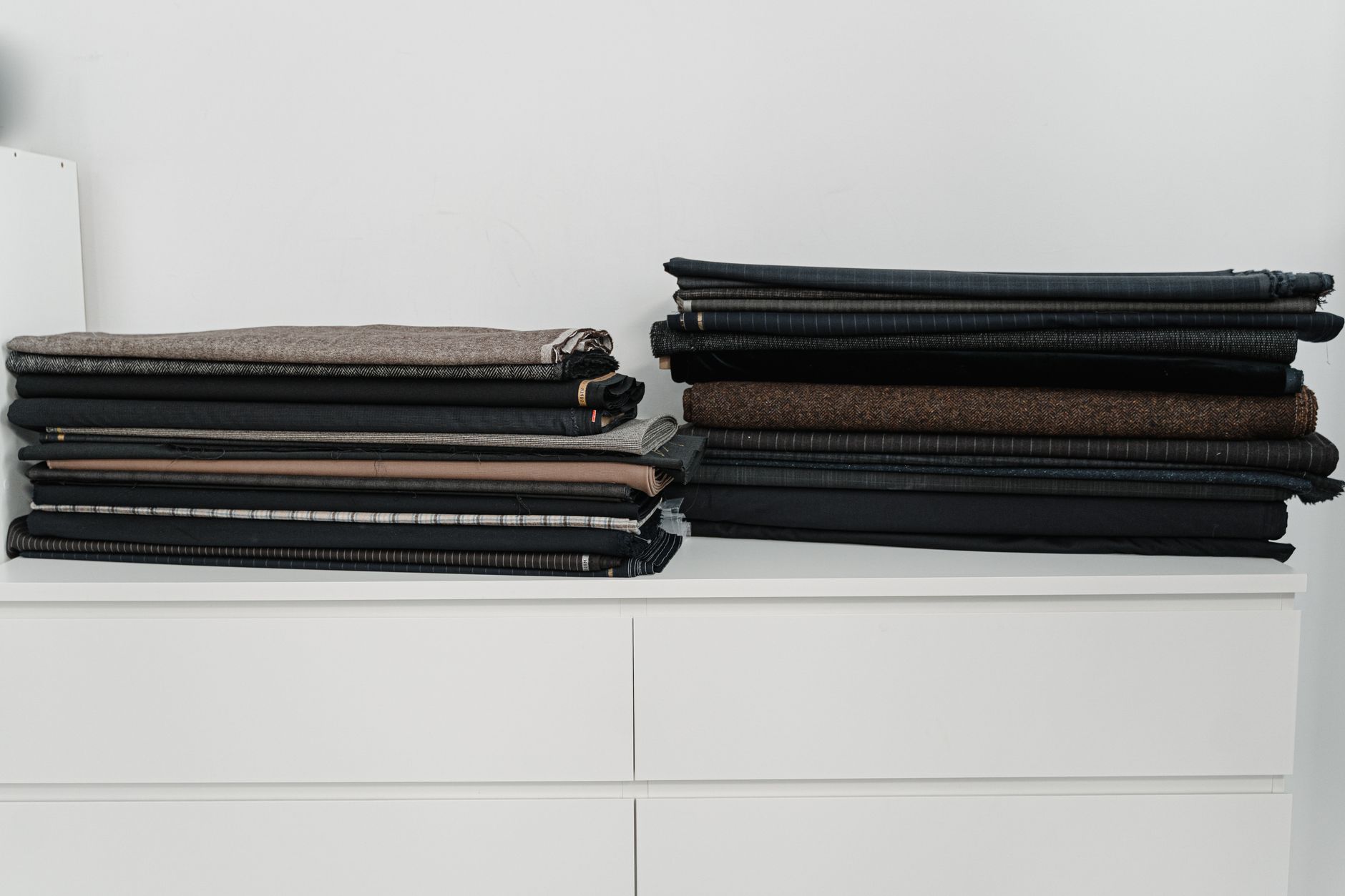
Vintage textiles are remarkably easy to damage and surprisingly hard to replace. A quilt that survived 80 years in a cedar chest can fall apart in five years of poor modern storage. The enemies are consistent: light, humidity, pests, and pressure. Understanding each one changes how you approach every piece in your collection.
Why textiles deteriorate faster than other vintage items
Fabric fibres break down at the molecular level. Natural fibres like cotton, wool, and silk are organic materials, and they respond to their environment in ways that ceramics or timber simply don't. Silk yellows and splits when exposed to light. Wool attracts moths and silverfish. Cotton weakens when stored damp. Lace, which is often a combination of both cotton and linen, can become so brittle it tears at the lightest touch.
The irony is that most deterioration happens during storage, not during use. A tablecloth left in a plastic bag for a decade will emerge faded, stained, and often mouldy. The storage decision matters more than almost anything else you do.
The fold problem: why most storage methods cause damage
Folding is the instinctive way to store fabric, but repeated folding along the same lines creates permanent crease lines that eventually become weak points. Over years, those crease lines literally split. This is especially common in quilts stored in trunks and large tablecloths folded into tight rectangles.
The professional conservator's solution is acid-free tissue. Rolling textiles around an acid-free tube (the kind used for wrapping fabric bolts) distributes the stress evenly across the entire piece rather than concentrating it at fold lines. For pieces too large or fragile to roll, re-fold them every 6 to 12 months, changing the direction of each fold so no single crease becomes permanent. It's a simple habit, but it extends the life of a piece substantially.
If you're building a broader vintage wardrobe alongside your textile collection, the same principles apply: knowing how to care for vintage clothing so it lasts starts with understanding how fibres respond to stress and environment.
Light, humidity, and heat: the three environmental threats
Light is the most insidious threat because the damage is invisible until it's severe. UV radiation breaks down dye molecules, causing colours to fade unevenly. Even indirect sunlight through a window, over months, can bleach a vibrant indigo to a washed-out grey. Store textiles in dark spaces. If you display a piece on a wall, use UV-filtering glass and rotate it out of display every few months to give the fibres a rest.
Humidity sits in a different category. Mould needs moisture to grow, and once mould colonises a textile, it's almost impossible to fully remove without causing further damage. The ideal relative humidity for textile storage is between 45 and 55 percent. Avoid storing pieces in bathrooms, basements, or against external walls where condensation forms. A simple digital hygrometer (under $20 from most hardware stores) tells you instantly whether a storage space is safe.
Heat accelerates chemical degradation in all organic fibres. Attics are particularly risky: they get extremely hot in Australian summers, often exceeding 50°C, which can cause glues, dyes, and fibres to break down within a single season.
Containers matter as much as conditions
Plastic bags and standard cardboard boxes are two of the worst storage choices for vintage textiles, yet they're the most common. Plastic traps moisture and off-gasses chemicals that react with fibres over time. Regular cardboard is acidic and transfers that acidity directly into the fabric it touches, causing yellowing and brittleness.
Acid-free boxes and tissue paper are the standard archival choice. The National Museum of Australia's collection care guidelines recommend acid-free materials for all organic textile storage, and those standards translate well to private collections. Linen storage bags are a good alternative for garments: breathable, pH-neutral, and reusable.
For small, delicate pieces like lace collars or embroidered handkerchiefs, store each one flat between sheets of acid-free tissue inside a flat archival box. Keep them separated so they don't abrade each other.
Pests: the threat you don't see until it's too late
Wool and silk are particularly attractive to moths and carpet beetles. The larvae, not the adults, cause the damage: they eat through fibres, leaving irregular holes that are impossible to repair invisibly. A single moth infestation can destroy a wool blanket in weeks.
Cedar is a traditional deterrent, and it works, but only when the wood is fresh and aromatic. Once the scent fades (usually within a year or two), plain cedar has no repellent effect. Sand the surface lightly to refresh the oils. Lavender sachets work similarly and smell considerably better.
The most reliable protection is a clean, sealed storage environment. Wash or dry-clean pieces before storing them, since food residue and body oils attract pests far more than clean fibres do. Check stored textiles every 3 to 4 months. Catching an early infestation matters: a handful of moth eggs found promptly means isolating the affected piece and freezing it at -18°C for 72 hours, which kills both eggs and larvae without chemicals or damage.
Handling vintage textiles without causing damage
Clean hands, always. Skin oils transfer to fibres and oxidise over time into brown stains that look like age spots. Some conservators use cotton gloves, though bare, thoroughly washed hands are often preferable for handling anything very delicate, since gloves reduce sensitivity and can snag fragile lace or frayed edges.
Support the full weight of a piece when lifting it. Never hold a textile by a single corner or edge, since gravity concentrates all the stress at one point. Large quilts and tapestries should be carried by at least two people, supported along their full length.
Building a collection worth preserving
Knowing how to store vintage textiles well changes how you shop for them. A piece in poor condition but well-understood can be stabilised. A piece that's already been incorrectly stored for years may look fine on the surface but be structurally compromised. When you're hunting at markets and op shops, check for fold lines, discolouration along creases, and any musty or chemical smell, each of which signals storage damage.
The ability to spot a genuine vintage piece at a market or op shop goes hand in hand with knowing its storage history: a beautifully preserved textile from 1940 is worth far more than a damaged one from 1970, regardless of age.
Good storage isn't a one-time decision. It's a practice you revisit with each piece, each season, and each new space. The textiles that survive another century are the ones that received a little consistent attention.