
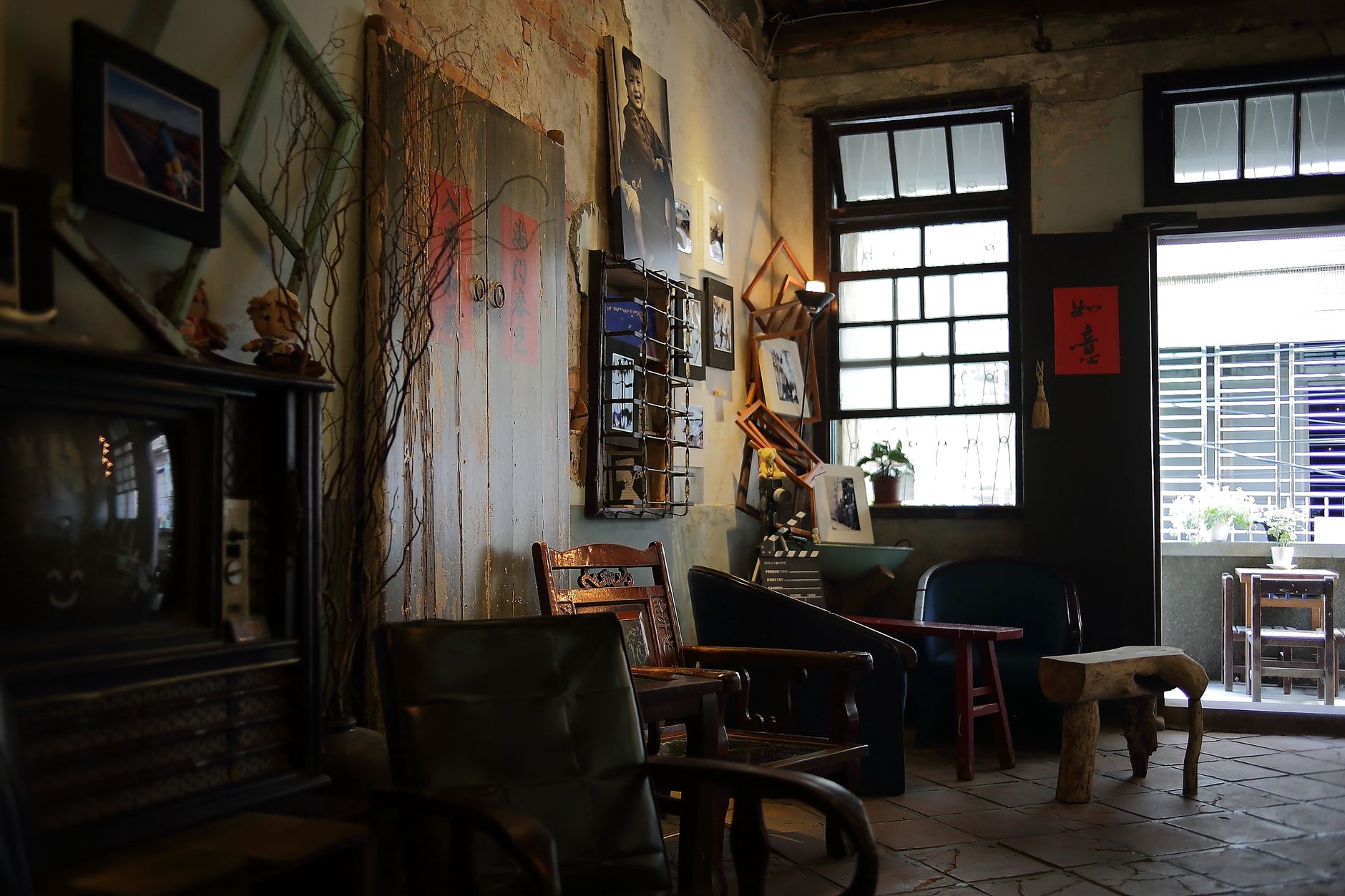
Creating a vintage-inspired room from scratch is one of the most rewarding decorating projects you can take on. Unlike a quick refresh with new store-bought pieces, building a room around vintage style means thinking carefully about era, character, proportion, and patina. The result, when it comes together, feels genuinely lived-in and personal in a way that no showroom floor can replicate. Whether you are starting with a blank slate or layering over an existing space, the following approach will help you build something that lasts.
Choose your era before you shop
The most common mistake when decorating with vintage pieces is mixing too many eras without intention. A 1950s kitchen-style dining chair sitting alongside Art Deco wall sconces and a 1970s macrame wall hanging can work, but only if there is a considered thread pulling them together. The simplest way to avoid visual chaos is to anchor your room in a single decade or design movement, then allow yourself a handful of complementary pieces from adjacent periods.
Popular eras for Australian homes right now include mid-century modern (1950s and 1960s), the earthy tones and natural textures of the 1970s, and the ornate detailing of Victorian and Edwardian styles. Each brings its own colour palette, material preferences, and furniture profiles. Pick one as your foundation and let it guide your decisions. If you are not sure where to start, spending time at local markets and op shops before committing to anything is genuinely useful. You will quickly discover which era excites you most when you see real pieces up close.
Start with one or two anchor pieces
Every well-styled vintage room has anchor pieces: larger, more significant items that set the tone for everything else in the space. This might be a timber credenza with tapered legs, a button-back velvet armchair, a pair of fluted ceramic table lamps, or a substantial oil painting in a gilded frame. These are the pieces you spend the most time finding and, usually, the most money on.
Rather than trying to furnish an entire room at once, start with one or two anchors and build outward from them. This approach makes it far easier to stay coherent because every subsequent piece you consider can be held up against the anchors: does it complement them, or does it compete? If you are hunting for quality furniture at estate sales and auctions, our guide on how to hunt for vintage furniture at estate sales and auctions walks through the practical skills you need to find well-made pieces without overpaying.
Layer in texture and colour thoughtfully
Once your anchor pieces are in place, the layering stage is where a vintage-inspired room really comes alive. Texture is especially important: aged leather, worn linen, hand-knotted rugs, wicker, rattan, and timber all bring warmth and depth that synthetic materials struggle to match. Look for curtains with a slight texture rather than flat polyester sheers, and choose cushion covers in natural fibres that drape loosely rather than sitting too stiff.
Colour in vintage interiors tends to be more muted and complex than modern commercial paint ranges suggest. Dusty greens, warm ochres, terra cotta, faded blues, and cream tones all read as authentically vintage because they mimic the way pigments aged before synthetic dye technology took over. Many Australian hardware stores now carry specialist heritage paint ranges that reproduce historical colour formulas, which are well worth exploring if you are repainting walls or furniture to suit your chosen era.
Bring in smaller decorative objects with care
Decorative objects are where a vintage room can either feel curated or cluttered. The goal is to include pieces that have genuine character without turning every surface into a museum display. A few well-chosen ceramics, a small collection of vintage glass bottles on a windowsill, or a grouping of framed botanical prints can do far more for a room than an overwhelming spread of individual trinkets competing for attention.
At markets and op shops, resist the urge to buy anything that simply looks vintage. Ask yourself whether each object earns its place in the room you are building, whether it connects back to your chosen era, and whether it adds to the story you are telling with the space. Restraint is one of the most underrated skills in vintage decorating. If you are building your eye for what to look for, our article on the most valuable vintage home decor items to look for offers a useful starting point for understanding quality and worth.
Mix old with new strategically
A room furnished entirely with vintage pieces can sometimes feel more like a period recreation than a home. Mixing in a few well-designed modern items keeps the space feeling current and liveable. The key is to choose modern pieces that are neutral enough not to clash: a simple white cotton bedspread, a plain metal reading lamp, or a contemporary pendant light in a clean geometric form can all coexist comfortably with vintage furniture.
The rule of thumb that works well is to let your vintage pieces lead on character and your modern pieces lead on function. A vintage timber writing desk brings warmth and history; the adjustable task lamp sitting on it can be modern without any loss of atmosphere. This balance also makes the room more practical to live in daily, since vintage pieces were designed for a different era and sometimes need modern support to work the way you need them to.
Think about lighting last, but do not underestimate it
Lighting can make or break a vintage-inspired room. Harsh overhead LEDs will flatten every beautiful patina and texture you have carefully assembled. Warm-toned bulbs (look for a colour temperature around 2700K) cast the kind of light that flatters aged timber, warm fabrics, and earthy ceramics. Table lamps and floor lamps do far more for a vintage atmosphere than ceiling fittings, so prioritise layered light sources over a single overhead fixture.
Vintage lampshades, if you can find them in good condition, add an enormous amount of period character. Pleated silk, parchment, and rattan shades all work beautifully with mid-century and earlier styles. If you are styling a room in a modern home and want guidance on blending these elements without the space feeling disconnected, it is worth reading through how to style vintage pieces in a modern home for practical tips on proportion and placement.
Where to find pieces in and around Belgrave
If you are based in Victoria, the Dandenong Ranges and Belgrave area offer some of the most rewarding hunting grounds for vintage decorating pieces. Local markets, estate clearance sales, and independent stores like EcoSoul Collective in Belgrave carry handmade, vintage, and repurposed pieces that are genuinely hard to find elsewhere. Shopping locally also means you can see pieces in person, assess their condition accurately, and support makers and curators who genuinely care about the history of what they sell.
Building a vintage-inspired room is not something that happens in a single afternoon, and that is part of what makes it so satisfying. The best vintage rooms accumulate over time, with each new piece added deliberately and with real intention. Take your time, trust your instincts, and let the room grow into something that could not have been bought off any showroom floor.