
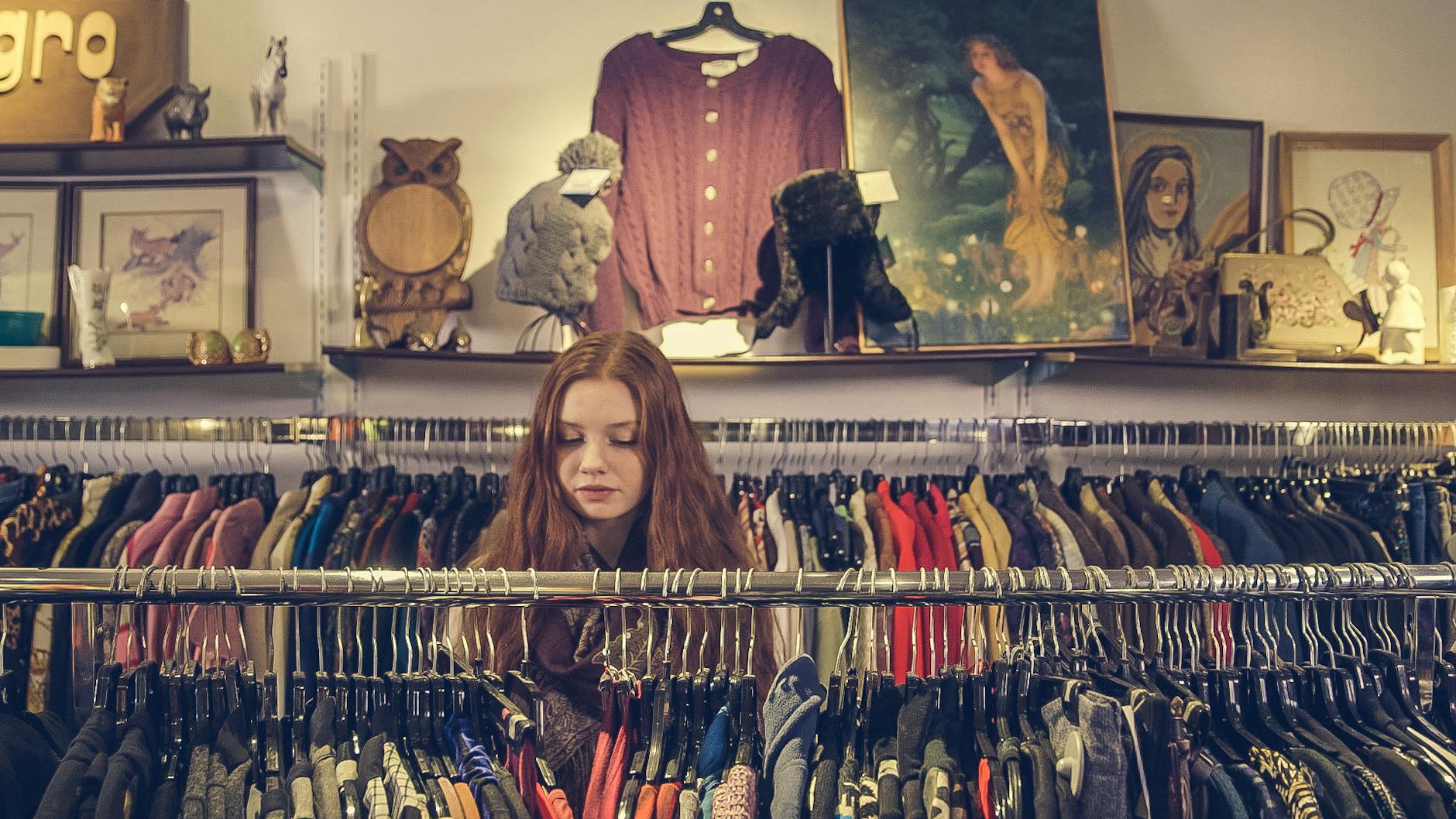
A vintage capsule wardrobe is a small, intentional collection of pre-loved pieces that work together across multiple outfits. It's the opposite of a cluttered charity haul or a fast-fashion impulse drawer. Done well, it means owning less, spending less, and wearing what you own far more often. The op shop is where most of it starts, but without a clear approach, thrifting can leave you with interesting individual pieces that don't actually pair with anything.
What a vintage capsule wardrobe actually is
A capsule wardrobe typically sits between 25 and 40 items, including tops, bottoms, outerwear, and shoes. Every piece earns its place by working with at least 3 others already in the collection. The vintage version adds one more filter: everything is pre-loved, whether from an op shop, estate sale, vintage fair, or clothing swap. That constraint is a feature. It keeps you focused, slows impulse buying, and forces genuine consideration of each item before it comes home.
The goal isn't a themed costume. A vintage capsule wardrobe should look coherent rather than theatrical, built around a consistent colour palette and silhouette preference rather than any single decade.
Choosing your palette before you shop
This step happens at home, not in the shop. Pull out everything you currently wear and note the colours that actually appear. Most people gravitate toward a narrower range than they realise: earthy neutrals, navy and cream, or warm ochres and terracotta. That natural preference is your palette. Write it down. Take a photo of the notes on your phone.
Vintage pieces come in the full chromatic range of the 20th century, which means op shops are full of beautiful things in the wrong colours. Knowing your palette before you walk in is the single most effective way to avoid the beautiful-but-useless problem. A 1970s burnt-orange blouse is only useful if orange already lives in your wardrobe.
The eight foundation pieces to find first
Build your vintage capsule wardrobe around these 8 items before adding anything else:
- A well-cut blazer in a neutral (camel, navy, charcoal, or olive)
- Two or three high-waisted trousers in different weights
- A classic midi or A-line skirt
- Two cotton or linen button-down shirts
- A fine-knit jumper or cardigan
- One statement dress that can be layered across seasons
These foundation pieces share a quality: they were made to last. Pre-1990s garments were often cut from natural fibres with generous seam allowances, which is why they've survived this long. A 1960s wool blazer will outlast most modern equivalents with basic care. If you want guidance on keeping that blazer in good shape once you've found it, the practical steps in our guide to caring for vintage clothing so it lasts are a good starting point.
How to shop op shops with a capsule goal in mind
Bring your palette notes. Set a per-visit item limit of 3 pieces and hold to it. This is less about budget and more about decision quality. When you're only allowed 3 items, you evaluate each one properly instead of stacking the basket and hoping it works out at home.
Work the shop methodically. Check the fabric label before anything else: cotton, wool, linen, and silk are the materials worth handling. Polyester blends from the 1980s and 1990s often pill quickly and don't breathe well. Check seams and underarm areas for staining or fraying. Pull at a seam gently to see whether there's enough allowance to let out. A piece that almost fits is worth considering. A piece that doesn't fit at all isn't.
Don't overlook menswear sections. Oversized linen shirts, wool trousers, and structured blazers from the men's rack frequently suit a vintage capsule wardrobe aesthetic and are often less picked-over than women's sections.
Spotting pieces that will earn their place
Every item you bring home needs to answer yes to two questions: does it fit within my palette, and does it pair with at least 3 things I already own? If the answer to either is no, put it back. This is where most capsule wardrobes fail. Shoppers pick individual pieces they love in isolation and end up with a rail of unrelated items.
When you're assessing vintage clothing at a market or op shop, condition matters as much as style. Look for consistent colour saturation across the fabric, which tells you the item hasn't been heavily bleached or faded unevenly. Check buttons, zips, and any hardware while you're in the store. Replacement zips are achievable; matching original buttons often isn't. Our broader piece on how to spot a genuine vintage piece at a market or op shop covers condition and authenticity checks in detail.
Filling gaps with targeted searches
Once your foundation is in place, some gaps will be very specific. You need a particular shade of camel or a trouser in a certain leg width. Random op shopping won't solve this efficiently. Instead, visit specialist vintage fairs or use Depop to search by exact item and era, filtering by size and location. This is faster than scanning a hundred racks and far less likely to produce impulse purchases that break your palette.
Melbourne hosts several dedicated vintage fairs across the year, and the Dandenong Ranges artisan market circuit occasionally includes vintage clothing sellers alongside handmade goods. Going to those events with a specific list in hand is a completely different experience from browsing. You stop at what's relevant and walk past the rest.
Caring for and editing your collection
A capsule wardrobe is a living collection, not a finished project. Every season, pull everything out and assess what's actually being worn. A piece that sat unworn for 4 months probably isn't as useful as it looked in the shop. Pass it on through a clothing swap, sell it, or return it to an op shop. That cycle is part of the point. Nothing in a vintage capsule wardrobe should be permanent by default.
Seasonal editing also creates room for deliberate upgrades. One well-chosen addition per season keeps the wardrobe fresh without expanding it. The discipline is the design.