
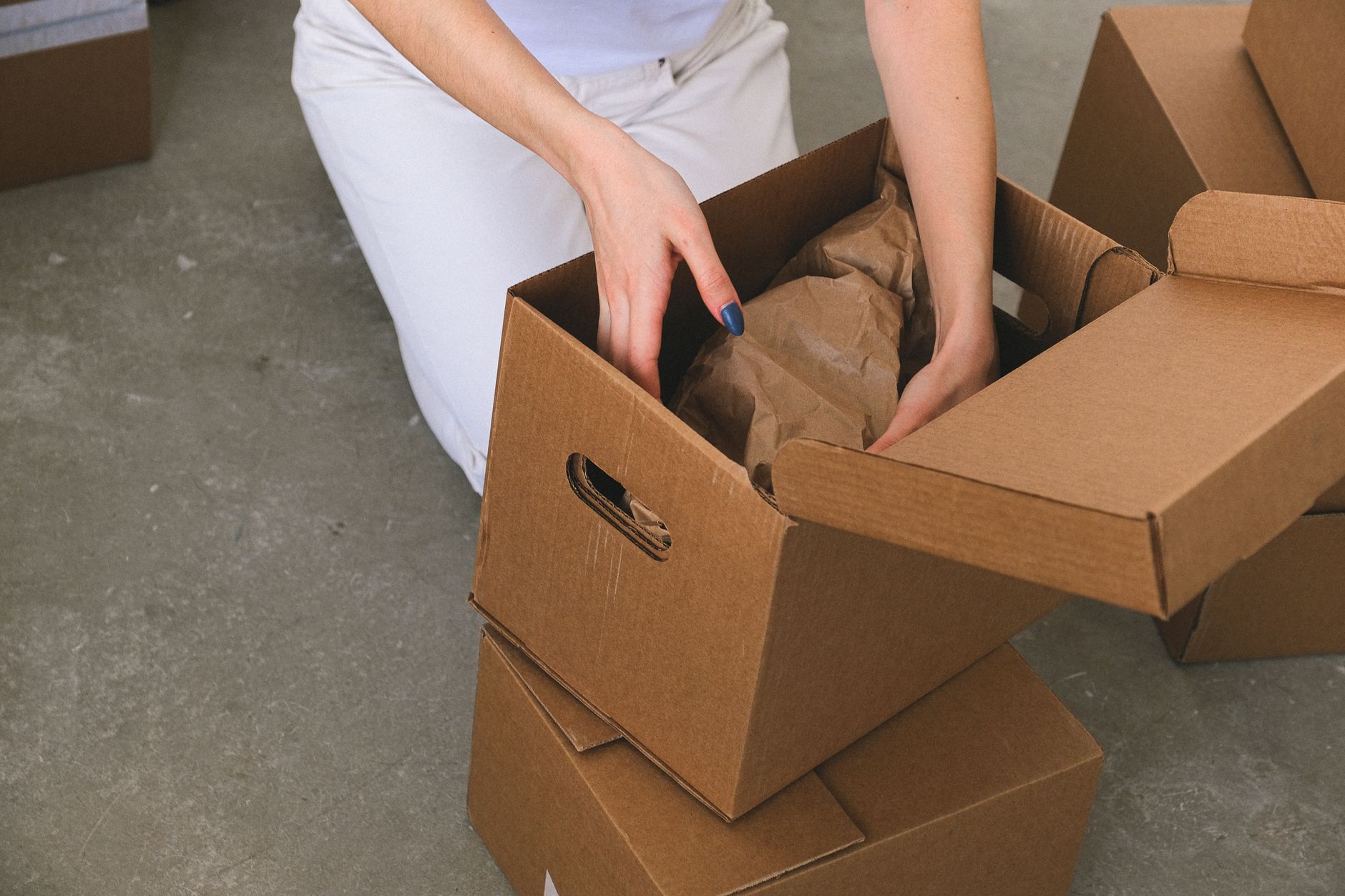
Moving house is up there with the most wasteful things most of us will ever do. The average Australian move produces bags of single-use bubble wrap, mountains of cardboard, and a skip full of "can't take it with us" items that end up in landfill rather than someone else's home. None of it has to happen that way. Sustainable moving is mostly a matter of planning two to three weeks ahead, and the difference in waste generated is significant.
Start by getting rid of things properly
The weeks before a move are the best opportunity you'll have to pare back your possessions honestly. Don't rush this part. Go room by room, handle each item, and ask whether it earns a spot in the new place. If it doesn't, it deserves a better exit than a bin bag.
Clothing, kitchenware, books, and furniture in decent condition belong at op shops, not the tip. The Brotherhood of St Laurence, Salvos, and Vinnies all accept drop-offs across Victoria. For furniture that's too good to bin but too heavy to carry, Facebook Marketplace moves things in 24 hours flat. Neighbours are another option. A handwritten note on the front footpath works surprisingly well.
If you're a fan of shopping second hand, you already know the value in pre-loved goods. Giving your own pieces a route back into that system is the most consistent thing you can do before a move.
Replace cardboard boxes with reusable alternatives
Cardboard boxes are the default packing choice because they're cheap and familiar. They're also single-use in practice. Most get rained on, squashed, or contaminated and end up in recycling at best. There's a better way.
Hire plastic crates. Several Melbourne-based companies rent stackable plastic moving crates for a weekly fee, deliver them before your move, and collect them after. The crates are sturdier than cardboard, they stack evenly on the truck, and you return them clean. No cutting, no taping, no collapsing in the rain.
For items you do need to wrap: use what you already own. Tea towels, bed sheets, winter scarves, and old towels protect breakables just as well as bubble wrap. Clothes stuffed into pots and pans fill awkward gaps in boxes. Nothing gets wasted. Everything that wraps something is also something you'd have packed anyway.
Pack with the destination in mind
One of the biggest sources of moving-day waste is the "miscellaneous" box. It gets packed last, in a panic, with things that don't belong together, and it takes months to unpack at the other end. Some of those things never get unpacked at all.
Label every box with the room it belongs in and a short list of its contents. Be specific: "kitchen, baking trays and mixing bowls" is more useful than "kitchen stuff". When you unpack, you'll move through it faster and you won't rediscover items you'd have discarded if you'd seen them during the cull.
Pack a "day one" bag for each household member with two days of clothes, toiletries, phone chargers, and whatever else is needed to function normally. This prevents the frantic unpacking of six boxes to find a toothbrush on moving night.
Choose your removalists carefully
Not all removalist companies operate the same way. Some offer fuel-efficient vehicles, calculate carbon emissions per move, or partner with offset programs. Ask directly before booking. A good question: do they pack returned boxes flat and recycle them? Do they offer crate hire? Some do. Many don't even think about it until a customer asks.
If you're moving locally, consider whether you actually need a removalist at all. A hired van and two friends with a trolley handle most one-bedroom moves in a single trip. Smaller load, less fuel, less cost.
Deal with the things you can't take
Every move produces a category of items that are genuinely at end of life: broken appliances, worn mattresses, cracked ceramics, tangled electrical cords. These need proper disposal, not a general waste bin.
Mattresses can be dropped at most council transfer stations for recycling. E-waste, including old phone chargers, laptops, and appliances, goes to designated TechCollect drop-off points rather than landfill. Paint, batteries, and cleaning chemicals belong at a HazWaste depot. Your local council's website lists all of these by suburb, and it takes about four minutes to look up.
If your old ceramics or enamelware aren't broken beyond use, think before you toss them. There's a whole world of ways to repurpose old enamel cookware into garden and home pieces that give them a longer life than a bin can offer.
Set up the new home sustainably from day one
A move is a clean slate. The way you stock and organise a new home in the first week tends to become the default. Use that momentum.
Resist the impulse to buy a round of new storage, new linens, and new kitchen supplies just because the new space feels blank. Work with what you already own for at least a month before buying anything new. Once you've lived in the space, you'll know what's actually missing rather than guessing on day three.
When you do need something, reach for second-hand first. Markets, op shops, and community swap groups will have most things at a fraction of the retail price. If you're building up a sustainable home from scratch, the linen cupboard is a good place to start: buying fewer, better-quality items rather than filling shelves with fast-textile replacements is a habit that pays off for years.
Unpacking is also the right time to think about the energy habits you bring into a new space. If your previous home was draughty and expensive to run, a new tenancy or ownership is a genuine chance to do things differently from the first week, rather than retrofitting habits later.
What to do with the packing materials after
If you've hired crates, this is simple: they get collected. If you've used cardboard, break down the boxes flat and check whether your local council collects cardboard at the kerbside or requires it to go to a drop-off. Cardboard that gets wet before collection often can't be recycled, so keep it dry inside until pickup day.
Bubble wrap and plastic film can't go in the yellow recycling bin in most Australian councils. REDcycle closed in 2022, but several supermarkets now offer their own soft plastics collection points. Check before you bag it up.
Any leftover tape, markers, and packing tape rolls belong in the bin. Very little of that is recyclable. Use less of it next time by switching to reusable crates.
Moving with less waste isn't about doing everything perfectly on the day. It's about the decisions made in the two weeks before: what leaves properly, what you don't buy new, and which materials you choose to pack with. Those choices compound quickly and they leave the new home feeling intentional rather than cluttered before you've even unpacked.