
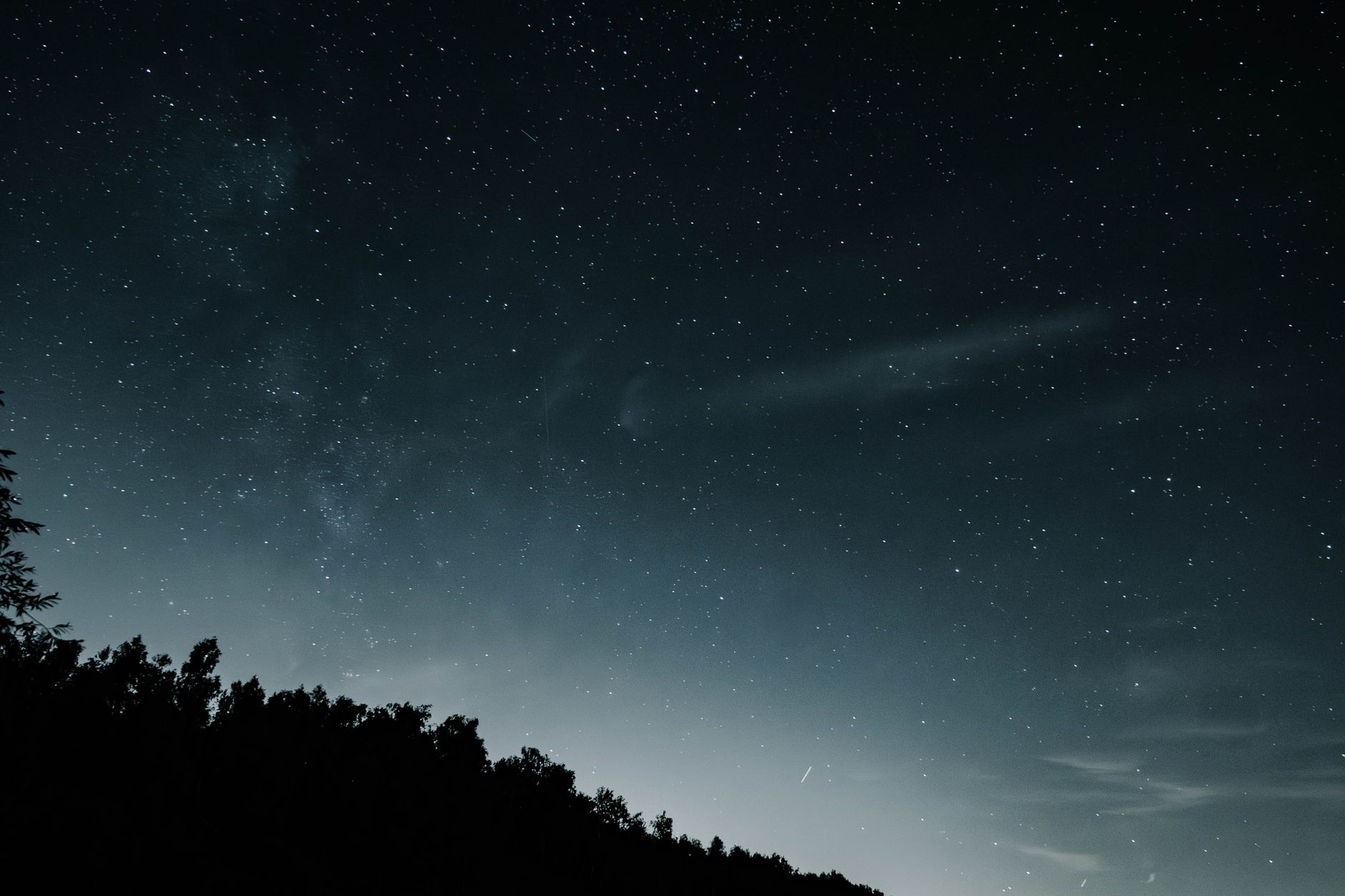
Stargazing in the Dandenong Ranges is one of those experiences that catches people off guard. Most visitors come for the fern gullies, the waterfalls, and the mountain ash forest. Then someone steps outside after dinner, looks up, and realises the sky here is genuinely different from anything you get on a Melbourne suburban street. The elevation, the tree cover, and the relative absence of commercial lighting all contribute to darker skies than the city's outer suburbs manage, and on a clear, moonless night the results are worth the drive on their own.
This isn't a dedicated dark sky reserve, so expectations matter. You won't see the Milky Way as clearly as you would from the Grampians or the outback. But you will see far more than most Melburnians realise is there, and you'll do it alongside frog calls, owl hoots, and mountain air that makes the whole thing feel a little otherworldly.
The best spots for dark skies in the ranges
The higher you go, the less light pollution you face. The ridge roads around Kalorama, Mount Dandenong, and Menzies Creek offer the most consistent results because they sit above the suburban glow of the Yarra Valley floor. Pull-offs along Sky High Road on Mount Dandenong are popular for a reason: the viewing platform at Sky High Mount Dandenong faces east and south, away from Melbourne's brightest light dome, and it's accessible by car year-round.
Kokoda Track Memorial Walk in Bayswater North sits lower in elevation, but its large open lawn area is away from direct streetlighting, making it workable on clear nights when you're not chasing the faintest deep-sky objects. The Olinda Falls carpark area is another quiet option mid-week, especially in the colder months when tourist foot traffic drops. For a more immersive experience, staying overnight in eco-friendly accommodation near Belgrave gives you the chance to watch the sky shift from dusk until well after midnight without a return drive to the city.
What you can actually see
The Southern Cross is visible from almost any open spot with a reasonable southern horizon. From the Dandenong Ranges, it clears the tree line cleanly on most autumn and winter evenings. The Milky Way's galactic centre rises from the south during late autumn and winter, and even through binoculars from a good ridge spot you can make out the Magellanic Clouds on a moonless night.
Jupiter and Saturn are reliably bright and worth looking at through a small telescope. Saturn's rings are visible through even a basic 60mm refractor. The Orion Nebula is a good starting point for anyone new to deep-sky viewing: it's in Orion's sword, faintly visible to the naked eye, and genuinely impressive through binoculars. The Eta Carinae Nebula sits lower on the southern horizon and takes patience, but it's there.
Meteor showers are worth planning around. The Eta Aquariids in early May and the Geminids in December are the two most reliable annual displays visible from this latitude. The Geminids especially can produce 100 or more meteors an hour at peak.
When to go
Winter is the best season. Nights are longer, the air is drier, and the sky tends to be clearer between cold fronts than during the humid summer months. Autumn runs a close second. Summer evenings in the ranges can be hazy, and the shorter nights mean less time in full darkness.
Check the lunar calendar before you go. A full moon will wash out most faint objects, and you'll be limited to the brightest planets and stars. New moon windows give you the darkest conditions. Apps like Stellarium (free on iOS and Android) let you plan exactly what will be visible on a given night from your chosen location, which is genuinely useful for picking a date around a specific planet or meteor peak.
Arrive at least 30 minutes before you want to start observing. Your eyes need time to adapt to the dark, and the difference between 10 minutes of dark adaptation and 30 minutes is significant.
What to bring
Temperature drops fast in the ranges after sunset, even in summer. Bring more layers than you think you need. A red-light torch is essential: red light preserves your night vision in a way that white light destroys. Most phone torches ruin dark adaptation immediately. Carry a thermos. A reclining camp chair transforms a cold session at a carpark into something you can sustain for hours.
Binoculars are the single best upgrade from naked-eye viewing. A 10x50 pair covers an enormous amount of sky and resolves star clusters, the Milky Way's structure, and lunar craters with satisfying clarity. You don't need a telescope to have a worthwhile night. That said, a small tabletop Dobsonian telescope around 130mm aperture opens up galaxies, nebulae, and planet detail that binoculars can't reach.
Pairing stargazing with a day out
The Dandenong Ranges rewards a full day before an evening under the stars. The region's walking trails, food scene, and artisan shops fill the hours between arrival and dark naturally. The food lover's guide to the Dandenong Ranges covers some of the best places to eat before you head to a ridge spot for the evening, which is a much better approach than driving up hungry at 9pm.
Belgrave itself is a good base. The town has cafes, a few independent shops with genuine character, and easy access to the ridge roads without a long winding detour. If you're timing a visit around a specific astronomical event, book accommodation early: the ranges fill quickly on long weekends and school holidays, and stargazing evenings tend to coincide with the cooler months that attract visitors anyway.
The sky above the Dandenong Ranges won't compete with a remote observatory. But for a city-dweller who hasn't looked up properly in years, a clear night on Mount Dandenong ridge is the kind of reminder that stops you in your tracks. Pack warm, get there before dark, and give your eyes time to settle.