
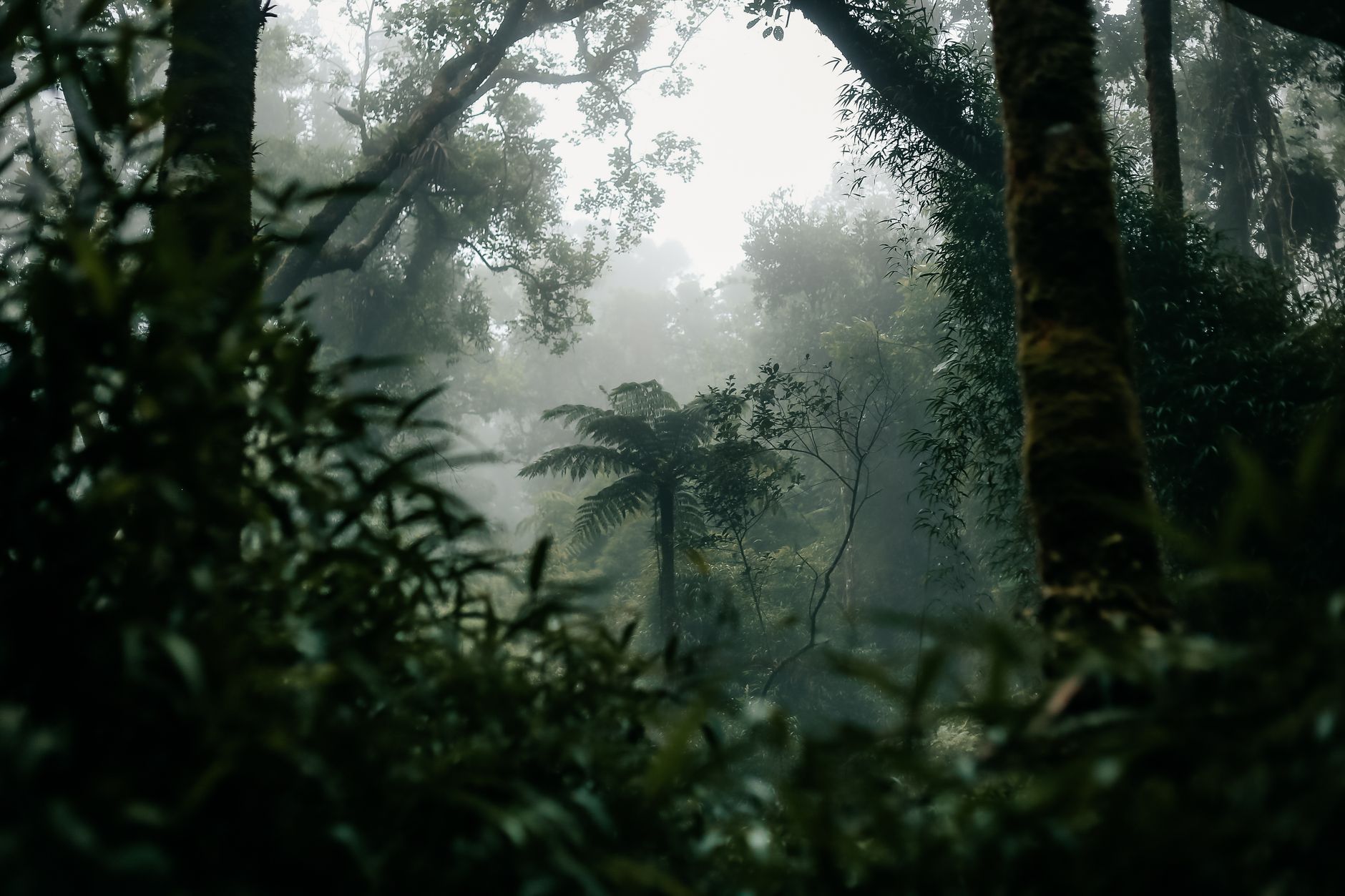
The Dandenong Ranges is one of those places that tourism photos always catch in golden light. Dry days, green canopy, blue sky through the mountain ash. What those photos miss is how completely the forest changes when it rains. The fern gullies fill with the smell of wet earth and eucalyptus. Creek crossings run properly. The whole place slows down, and the trail feels like it belongs to you alone.
Rain walking in the Dandenong Ranges isn't a consolation prize for a spoiled forecast. For a growing number of visitors and locals alike, it's the preferred way to experience the forest.
What changes when it rains
The most immediate shift is sensory. The forest amplifies every sound: water moving through creek channels, raindrops landing on giant tree ferns, the occasional crack of a branch releasing its load. Visibility drops into the mist, which turns familiar gullies into something genuinely otherworldly.
Lyrebirds are more active in wet conditions. These birds forage by raking through leaf litter, and damp soil is far easier to work than dry ground. Walk the shadier tracks around Sherbrooke Forest on a rainy morning and you'll hear their mimicry before you see them, often at close range. The lyrebird is one of the most compelling reasons to visit wildlife spotting in the Dandenong Ranges, and rain dramatically improves your odds.
Funghi emerge after sustained rainfall, particularly between April and August. King stropharia, ghost fungus, and dozens of bracket species appear on fallen timber and rotting stumps in ways that are simply invisible in dry months. If you're walking with kids, this alone justifies the gumboots.
The best trails for wet weather
Not every trail handles rain equally. A few are excellent in the wet; some become slippery and unpleasant.
Sherbrooke Forest Loop is the standout. The trail surface is well-maintained, the old-growth mountain ash provides overhead cover, and the gully sections are genuinely beautiful when water is running through them. The loop from the Sherbrooke Picnic Ground is around 5 kilometres and suits most fitness levels.
Kokoda Track Memorial Walk in Belgrave South is paved along most of its length, which makes it practical in heavy rain. It winds through tree ferns and wet sclerophyll forest, and the paved surface means you don't need to worry much about mud.
Eastern Dandenong Ranges tracks around Olinda and Mount Dandenong tend to drain well and offer sweeping views that become dramatic rather than clear in overcast conditions. The Doongalla Homestead area is worth exploring. It's less visited than Sherbrooke and holds its own quietly in the wet.
If you want a broader overview of trail options across the range, the best hiking trails in the Dandenong Ranges covers terrain and difficulty across the whole region, which is useful for planning a wet-weather route that matches your fitness and footwear.
What to wear and bring
Preparation is short. Gear matters more than bravery in the Dandenong Ranges rain.
A waterproof shell jacket with sealed seams is worth carrying year-round. The ranges sit at around 400–600 metres elevation, and even light rain combined with wind drops the temperature quickly. Merino or synthetic base layers handle sweat and damp better than cotton, which stays cold against the skin once wet.
Footwear is the most important call. Trail shoes with good grip are fine for Sherbrooke and the paved sections. Waterproof hiking boots with ankle support are worth the investment if you're exploring less-maintained tracks where mud is a real variable. Gumboots work perfectly well on flat or gently graded tracks and are far more comfortable than wet trail shoes by the second hour.
Bring a dry bag or a waterproof phone case. The mist can be persistent even when the rain lightens, and a damp phone in your pocket will cost more than the walk was worth.
Where to warm up afterwards
This is where a rainy walk becomes genuinely perfect. The Dandenong Ranges has no shortage of places to strip off a wet jacket and sit by something warm. The villages of Olinda, Sassafras, and Belgrave all carry cafes that understand their audience: wood fires or gas heaters, thick soups, good coffee, and no pressure to leave.
Belgrave in particular rewards a post-walk stop. Its main strip and laneways hold a concentration of independent cafes and artisan shops that suit the pace of a slow, rainy afternoon. The best cafes and artisan shops in Belgrave gives a solid starting point if you don't know the street yet. The Model Tudor Bakery on Belgrave's main street is a reliable choice for something hot and filling before the drive back.
If the forecast is generous with its rain, consider building a full loop: walk in the morning while the forest is at its moodiest, stop in Sassafras or Olinda for lunch, then drift down to Belgrave for an afternoon browse before heading home. It's a format the ranges are built for.
A note on safety
Wet tracks in the Dandenong Ranges are generally safe. A few practical points: check Parks Victoria's Parks Victoria website for any closures, particularly after storms that bring down branches in the old-growth sections. Tell someone your route if you're venturing off the main loops. And go early if you want the trails to yourself, because even on wet days, Sherbrooke attracts steady foot traffic by late morning.
The ranges are at their most themselves in the rain. The crowds are thin, the wildlife is active, and the forest smells exactly like it should.