
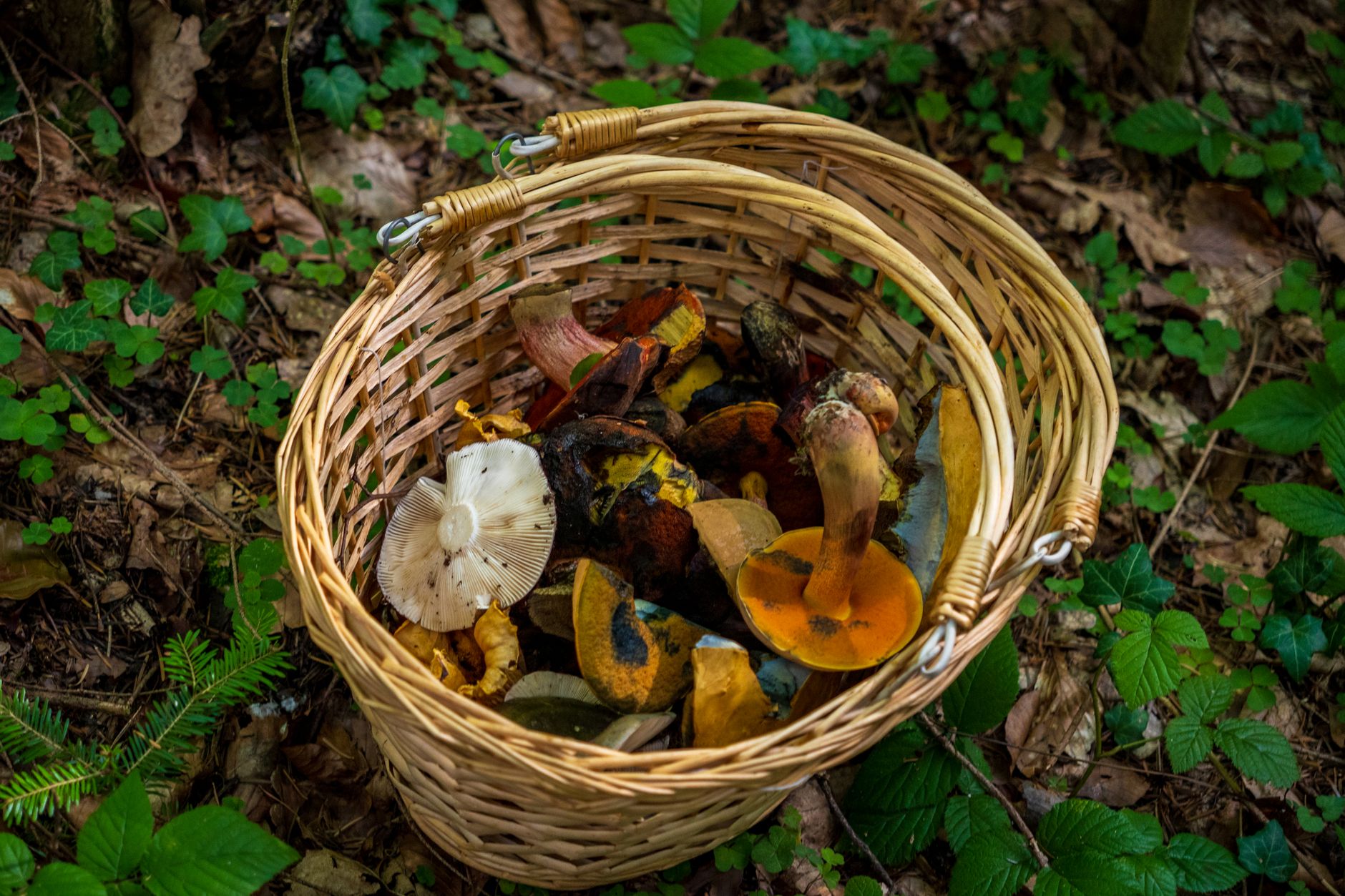
Foraging in the Dandenong Ranges sits at the crossroads of bushcraft, slow food, and genuine environmental awareness. Unlike a standard nature walk, a foraging walk asks you to slow right down, read the ground, and pay attention to what's actually growing at your feet. The ranges, draped in mountain ash, myrtle beech, and dense fern gullies, offer a surprising variety of edible and medicinal plants across the seasons. You don't need to be an expert to get started. But you do need to be careful, respectful, and well-informed before anything goes in your mouth.
Why the Dandenong Ranges reward foragers
The Dandenong Ranges straddle cool temperate rainforest and dry sclerophyll woodland, which means two very different plant communities growing within a short drive of each other. The gully floors hold moisture year-round. Mountain ash towers overhead. In autumn, fungi appear in extraordinary variety across fallen logs and leaf litter. In spring, wood sorrel and native violets push through shaded soil. Blackberries (introduced and technically a weed) fruit heavily along roadsides from December through February. Each season hands you something different.
The area also benefits from relatively high rainfall by Victorian standards. That moisture drives fungal growth in ways that surprise first-time visitors. A single rotting log on the Kokoda Track in Belgrave can host half a dozen species at once. The diversity isn't incidental. It's a direct result of the layered canopy filtering light and retaining humidity at ground level.
What to look for, season by season
Autumn is the headline season. From March through June, the ranges produce excellent edible fungi, including slippery jacks (Suillus luteus), which are commonly found near pine plantations along the Silvan and Kalorama areas. Slippery jacks are one of the safer species for beginners because their distinctive brown, sticky cap and yellow pore surface are hard to confuse with anything dangerous. They need thorough cooking, but reward it with a rich, earthy flavour.
Saffron milk caps (Lactarius deliciosus) are another reliable autumn find near pine stands. The vivid orange flesh and distinctive carrot-coloured milk they release when cut make identification straightforward. Both species are introduced alongside European pine trees, which is worth knowing. Native fungi in the ranges can be spectacular, but many are poorly understood and shouldn't be harvested without expert guidance.
Spring brings edible wood sorrel (Oxalis species), which tastes sharply of lemon and works well in salads or as a garnish. It's small, low-growing, and found on shaded forest floors. Warrigal greens (Tetragonia tetragonioides) appear in wetter areas and were among the first native plants eaten by European settlers. They require blanching before eating to reduce oxalic acid content. Raw consumption causes gut discomfort. A quick boil fixes the problem.
Summer is quieter for foraging, but blackberries along trail edges ripen from late December and peak in January and February. They're invasive. Picking them is actually encouraged by parks management as it reduces seed spread. Take as many as you like.
Where to walk with foraging in mind
The nature walks in the Dandenong Ranges that pass through mature forest and gully systems are the most productive for fungi. The Kokoda Track, connecting Belgrave to One Tree Hill, moves through exactly the kind of layered environment where autumn fungi thrive. The Fern Tree Gully National Park circuit trails around the picnic grounds also pass through wet gully zones with good ground cover.
For pine-adjacent fungi, the areas around Kalorama, Silvan, and the Dandenong Ranges Arboretum offer the best conditions. These are not the wildest parts of the ranges, but they're where slippery jacks and saffron milk caps are most reliably found. The seasonal wildflower walks in the ranges often cross the same terrain in spring, which makes combining the two a genuinely rewarding half-day out.
The rules: what you can and can't take
Foraging in national parks in Victoria is heavily restricted. Parks Victoria permits the collection of small amounts of fungi for personal consumption (not commercial use) in state forests, but collection inside national park boundaries requires a permit. The Dandenong Ranges National Park sits under this restriction. Private land is off-limits without permission.
State forest areas around Silvan and Macclesfield are more accessible for legal foraging. Before you go, check the Parks Victoria website for current access rules and any fire or environmental restrictions that may apply to specific areas. Rules change seasonally, particularly after wet winters when forest recovery zones are designated.
Practically speaking: take only what you'll eat. Leave the surrounding growth undisturbed. Don't pull fungi out by the roots; cut at the base and let the mycelium remain. Don't forage in areas where herbicide spraying may have occurred, particularly near roadsides or trail edges managed by councils.
Getting identification right
Every forager's most important tool isn't a basket. It's a reference guide specific to south-eastern Australia. Tom May and Genevieve Gates produced A Field Guide to Fungi of South-eastern Australia, published by CSIRO, which covers species found in the ranges in serious detail. It's the standard reference for Victorian foragers and worth owning before you go out.
For fungi in particular, never rely solely on photos or apps. A misidentified death cap (Amanita phalloides) has caused fatalities in Victoria. Death caps are common in the ranges, appearing near oak trees in autumn. They look harmless. They aren't. If you're uncertain, don't pick it. Join a guided foraging walk first.
The Myco Victoria group runs identification events and guided forays in and around the Dandenong Ranges each autumn. These are free or low-cost and run by experienced mycologists. One guided foray will teach you more in three hours than weeks of solo reading.
Foraging as a practice, not just an activity
There's a reason foraging fits so naturally with the values of conscious consumption and sustainable living. It asks you to take only what the landscape can spare, understand the ecology well enough to avoid damaging it, and find genuine value in things that weren't manufactured. That's a different relationship with the natural world than most of us practise daily.
It also connects to the broader idea of the circular economy: materials and nutrients cycling through systems without waste. A foraged meal leaves no packaging, no freight miles, no processing chain. It's about as direct as food gets. Bringing that awareness back into everyday choices at home, whether that's the products you buy, the way you shop, or the gifts you give, tends to follow naturally from time spent in the bush paying close attention.
Start with one or two species you can identify confidently. Go with someone who knows what they're doing at least once. And walk slowly. The ranges reward patience in ways that a fast hike past the trailheads never quite delivers.